

IDCE 30297 Live Class Discussion (Optional): Refugees, Forced Migration and Belonging
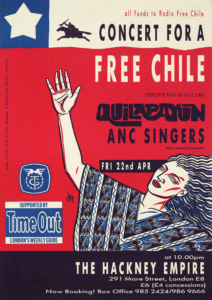
People on the Move – Finding Narratives
I have developed this page as a quick reference guide in helping to find oral narratives in relation to your “people on the move” final project. With the table below, you will find information and links to oral histories relating to various aspects of migration journeys, incorporating collections which are held both here at the UEL Archives, and those held externally at institutions in both the United Kingdom and the United States.
My name is Paul Dudman and I am the Archivist here at the UEL Archives and I am happy to answer any enquiries that you might have after this session. If you would like to ask a question or are interested in leaning more about any of our collections, please contact me on p.v.dudman@uel.ac.uk.
Links to Oral Histories
| Name | Link(s) | Description |
| Gujarati Yatra | Link: | Gujarati Yatra Oral History Collection. Exhibition held at the Museum of Croydon.
Oral History Archive held at the UEL Archives and on the Living Refugee Archive. |
| Roots and Changes: Gujarati Influences | Link: | This exhibition and events series (April to August 2021) highlights the influences of the Gujarati diaspora in the UK. It focuses on the London Borough of Brent and is told through INFLUENCERS; these are selected personalities who live in London, are of Indian origin, and have been successful in their area of expertise, knowledge or practice. Audio-visual media taken from lengthy oral history interviews and tangible objects of personal importance tell their fascinating story and outline their contribution to British life.
Oral History Archive to be held at the UEL Archives and on the Living Refugee Archive. |
| Voices of Kosovo in Manchester (VOKIM) | Link: | VOKIM: Voices of Kosovo in Manchester Oral History Archive. Manchester Aid to Kosovo.
Oral History Archive held at the UEL Archives and on the Living Refugee Archive. |
| Healing the Wounds | Link: https://www.livingrefugeearchive.org/archives/ |
Healing the Wounds. Irish Community Services Oral History Project documenting the Irish community in South East London.
Oral History Archive held at the UEL Archives and on the Living Refugee Archive. |
| Crossing the Borders | Link:
https://www.livingrefugeearchive.org/archives/
|
Crossing the Borders Oral History Archive. Documenting the Chinese community in Manchester. The Wai Yin Society
Oral History Archive held at the UEL Archives and on the Living Refugee Archive. |
| Eastside Community Heritage | Link: | Eastside Community Heritage: Projects on Somali Seafarers ; Ugandan Asians; refugees from the Hungarian Revolution. Oral History Archive held at the UEL Archives and on the Living Refugee Archive. |
| Qisetna Archive | Link: | The project has focussed on collecting material and providing a platform for the Syrian diaspora to connect and share their memories of Syria. The archive now contains over 80 people’s submitted reminiscences, ranging from single documents, to documents and photos for some stories. In most cases, there is the story told in an original language, and an English language translation. All the material is digital. |
| Manchester Refugee Support Network | Link: | As part of our project we have conducted oral history interviews with 20 people who have been involved with MRSN over the last 20 years. You can hear short excerpts from the recordings by following the link below:
https://soundcloud.com/user-211327353-494499499/sets/mrsn-oral-histories
|
| Refugee Lives Oral History Project, 2015-2018
|
Link:
https://archives.lib.duke.edu/catalog/refugeelivesoralhistoryproject |
For the spring semester 2015, Nancy Kalow, Maha Houssami, and miriam cooke were awarded an Innovation & Entrepreneurship Course Innovation Grant for AMES 320S: Refugee Lives. In this course, eleven undergraduates conducted oral history interviews with local refugee families from Iraq and Sudan. |
| Syrian Oral History Project | Link: | In 2014, Syrian members of the International Coalition of Sites of Conscience – Enab Baladi and The Damascus Center for Human Rights Studies – collected oral histories from Syrian refugees and displaced individuals in order to ensure that a range of civilian narratives from the Syrian conflict are represented accurately and incorporated into memorialization processes.
Over fifty interviews were conducted with refugees in Jordan and Turkey and also with displaced Syrians still within the country. Each conveys a story of a life turned upside down; each is a testament to the disastrous consequences of war. As a whole, the recordings can serve as powerful tools in raising awareness of the conflict, as evidence in legal proceedings and as memorials to loved ones whose stories can no longer be heard. |
| The Vietnamese American Oral History Project: Life Stories of Vietnamese Americans in Southern California | Link: | The Vietnamese American Oral History Project (VAOHP) at the University of California, Irvine actively assembles, preserves, and disseminates the life stories of Vietnamese Americans in Southern California. The project contributes to expanding archives on Vietnamese Americans with the primary goal of capturing first generation stories. Through a generous anonymous donation to the UC Irvine School of Humanities, the Department of Asian American Studies in collaboration with the UCI Libraries Southeast Asian Archive launched the Vietnamese American Oral History Project in 2011…There are over one and a half million Vietnamese Americans in the United States, with the largest concentration of Vietnamese residing in Southern California…The generation of Vietnamese Americans who have first-hand memories of Vietnam, the Vietnam War, and the displacement of refugees from Vietnam have begun to pass on. VAOHP plays an instrumental role in documenting their history and legacy in order to preserve their stories for future generations. Interviews conducted by various community members, including students. |
| Telling Their Stories | Link:
https://www.tellingstories.org/
Reference: http://ohr.oxfordjournals.org/content/38/1/6.full?keytype=ref&ijkey=4CV2EbxeZ1cJ5qP |
This paper describes a case study oral history project involving high school students who interview elders and publish in full text and full digital video on a public Web site, www.tellingstories.org. Telling Their Stories: Oral History Archives Project (OHAP) is a combination of a high school elective history course at The Urban School of San Francisco, a digital video oral history production protocol, a public Web site, and a growing collaboration with other educational institutions from around the country. Students learn oral history technique, conduct two-hour long video-recorded interviews, complete the transcription, edit movies, and publish to the OHAP Web site. Most OHAP interviews deal with witnesses of key twentieth century events involving acts of discrimination, including survivors, witnesses and liberators of the Nazi Holocaust, Japanese American internees, and elders involved in the southern Civil Rights Movement. The paper also examines the preparation and efficacy of student-conducted oral histories via the OHAP model. |
| “Cambodia: Oral Histories and Biographies” | http://www.mekong.net/cambodia/oral_hst.htm | Most of the oral histories focus on life during the Khmer Rouge period. There is a range of information included in each-some are just excerpts of what people said, while others provide everything. The website does not provide the questions that the interviewer asked, however. |
| Shoah Foundation | http://vhaonline.usc.edu/login.aspx | Thousands of audiovisual oral testimonies from the Holocaust and Rwandan Genocide. You are able to search for a variety of different topics and the interviews cover life before, during, and after the respective genocides |
| From Exile to Resettlement | http://from-exile-to-resettlement.weebly.com/ | See also this newspaper article: http://www.tcdailyplanet.net/news/2014/03/18/bhutan-minnesota-through-oral-history-project-bhutanese-refugee-mangala-sharma-helps; |
| Stories of Refuge: Oral Histories of Syrian Asylum Seekers in Germany | http://www.jadaliyya.com/pages/index/16000/stories-of-refuge_oral-histories-of-syrian-asylum- | Established by the Dictaphone Group. Each participant was given a small camera to film a day of their lives living as asylum seekers in Germany and then each participant was interviewed. Later videos were produced and put on display at a festival in Germany |
| The Refugees of Shangri-La | https://www.facebook.com/TheRefugeesOfShangriLa | Published on Feb 15, 2013 In the shadow of Bhutan’s lofty ideal of Gross National Happiness and it’s golden image as the “Last Shangri-la” hide 107,000 people who fled a militaristic insurgency as their peaceful kingdom turned against them. With their villages burning behind them, men, women, children and grandparents fled into the Indian jungles, bewildered, never to return to the land they love. After twenty years living in bamboo huts and barbed wire parameters-making a nationless cage a place to raise children and burry parents, the Refugees of Shangri-la break a solution-less cycle and brave a new course, due west. The film follows a community, packed for a journey that will take them accross the world to a place called America. Together, they strive against all odds with hope, optimism and an enduring smile as they change not only their own lives, but ours. |
| Palestine Remembered: The Home Of All Ethnically Cleansed Palestinians | http://www.palestineremembered.com/OralHistory/ | Briefly, Nakba Oral History Project aims to document and retain the Palestinian refugees’ experience and memories before, during and after al-Nakba. Live interviews or testimonies are conducted with the refugees who witnessed al-Nakba first hand at ages of 12 years and above. |
| Groundswell: Oral History for Social Change | http://www.oralhistoryforsocialchange.org/blog/ | We use oral history and narrative in creative, effective and ethical ways to support movement building and transformative social change. Groundswell’s mission is to build the creativity and power of social justice movements by providing mutual support, training, and resources in the practice of grassroots oral history. |
| Bengali Harlem: Exploring the Lost Histories of South Asian America | http://bengaliharlem.com/ | This website is part of an ongoing project by filmmaker and scholar Vivek Bald using different media – web, print, and video – to document the histories of two little-known groups of early South Asian migrants to the United States. Both were groups of Muslim men, predominantly from the region of Bengal, who entered the U.S. between the 1880s and the 1940s. The website serves as an introduction to these histories, as a place to explore video and audio interviews and digitized archival materials, and most importantly, as an unfolding project of social history and personal memory – where the descendants of Muslim peddlers and seamen from the subcontinent and their African American and Latina partners and wives can share the stories of their families and communities. The other parts of the project are a book, entitled Bengali Harlem and the Lost Histories of South Asian America (Harvard University Press, 2013), and a feature length documentary film, produced in collaboration with the writer and actor Alaudin “Aladdin” Ullah, entitled “In Search of Bengali Harlem”. |
| Three Chairs for Refugees: REfugee Youth Digitial Stories pilot project | http://3chairs.org/ | THREE CHAIRS FOR REFUGEES harnesses the power of digital art to promote the individual and social well-being of refugees resettling in the Seattle metropolitan area.
Forced by war or persecution to flee their homelands, refugees arriving on our Seattle soil face untold obstacles in gaining the capacity and access they need to fully participate in our society. |
| In their Own Words: Iraqi Refugee Stories | http://www.iraqirefugeestories.org/ | The Iraqi refugee crisis is among the world’s largest humanitarian rises. Since 2003, 2 million Iraqis have fled the country; another 2.5 million are displaced inside Iraq. One in five is now without a permanent home, yet rarely are their voices heard. These are their stories. |
| OSA Digital Archive: Hungarian Refugee Interviews 1957-1958 | http://w3.osaarchivum.org/digitalarchive/blinken/index.html | On the occasion of the 50th anniversary of the 1956 Hungarian revolution, OSA Archivum has copied and digitized the transcripts of Hungarian refugee interviews conducted between 1956 and 1958 within the framework of the Columbia Research Project Hungary (CURPH).
CURPH was not the only program that targeted the issue of Hungarian refugees after 1956. Nevertheless, it was the best organized and most elaborate project. More than 600 interviews were conducted by specially trained, native Hungarian field-workers in European refugee camps and in the United States. Most of the interviews lasted two or three days, and the final English transcripts averaged 70 pages each. The interviews were based on a detailed questionnaire, interview guidelines that had been carefully worked out by sociologists and public opinion experts. This on-line collection contains English language transcripts of the interviews and their “facesheets” with important social data on the respondents’ background. The interview texts have been copied from two major sources: the Bakhmeteff Archives of the Rare Book and Manuscript Library of the Columbia University and the Manuscript Archives |http://www.columbia.edu/cu/lweb/indiv/butler/| of the Hungarian National Library |http://www.oszk.hu|. Social data on respondents can be searched by criteria of the original questionnaire, but interview transcripts and relevant “facesheets” are available only as image files and are not searchable in the form of text files. Background information on the CURPH project and publications based on the interviews can be found under Related Materials. The introductory study written by Andras Mink, OSA Research Archivist and Historian and the essay written by Istvan Rev, Historian and Director of OSA Archivum provide a useful overview of the political and historical context of CURPH. The rebirth of the documents in digital format would have not have been possible without the generous help and support of the former US ambassador in Budapest and his wife, Donald and Vera Blinken, and the US Embassy in Budapest. |
| Every tree has its roots: Refugees from Vietnam and their children speak about here and there
|
https://www.refugee-action.org.uk/about/our_history/ | Aim: “At the Vietnamese national conference in 1997, many people from the community raised concerns about the gaps between the Vietnamese generations and expressed their fear that their history and culture would disappear within a few years. Refugee Action responded with the idea of an oral history project involving all the generations of Vietnamese settled in the UK. The stories of those who left Vietnam, and the concerns of different generations of the Vietnamese population in the UK were to be represented in the project, with the aim of bridging the gap between three generations of the Vietnamese community, helping them share their experiences with the UK public, and providing useful data for resettlement and integration policies. ” Some of the key findings consisted of adult refugees having difficulty learning English and finding work. The older generation found passing cultural traditions to the third generation much more difficult than they had expected. Young feel great pressure from their parents to study subjects that do not interest them. There are also tensions as to whether or not the youth will ‘marry out’. Some members of the younger generation expressed a stronger interest in the culture of Vietnam, as they grew older, wishing to know more about their family and the history of their country of origin. With this knowledge they can feel proud of being Vietnamese. |
| Tibet Oral History Project | http://www.tibetoralhistory.org/ | “The Tibet Oral History Project (TOHP) aims to preserve the history and culture of the Tibetan people. At the request of His Holiness the Dalai Lama we record the life experiences of Tibetan elders who were forced to flee their homeland following the Chinese invasion. His Holiness has emphasized the urgency of conducting interviews of these elders before they pass away and their stories are lost forever. TOHP has videotaped the oral histories of 170 Tibetan elders living in exile. This oral history collection is invaluable. It provides intimate portraits of the elders – the last generation to live in a free, unoccupied Tibet – and preserves for future generations the memories of their homeland.” |
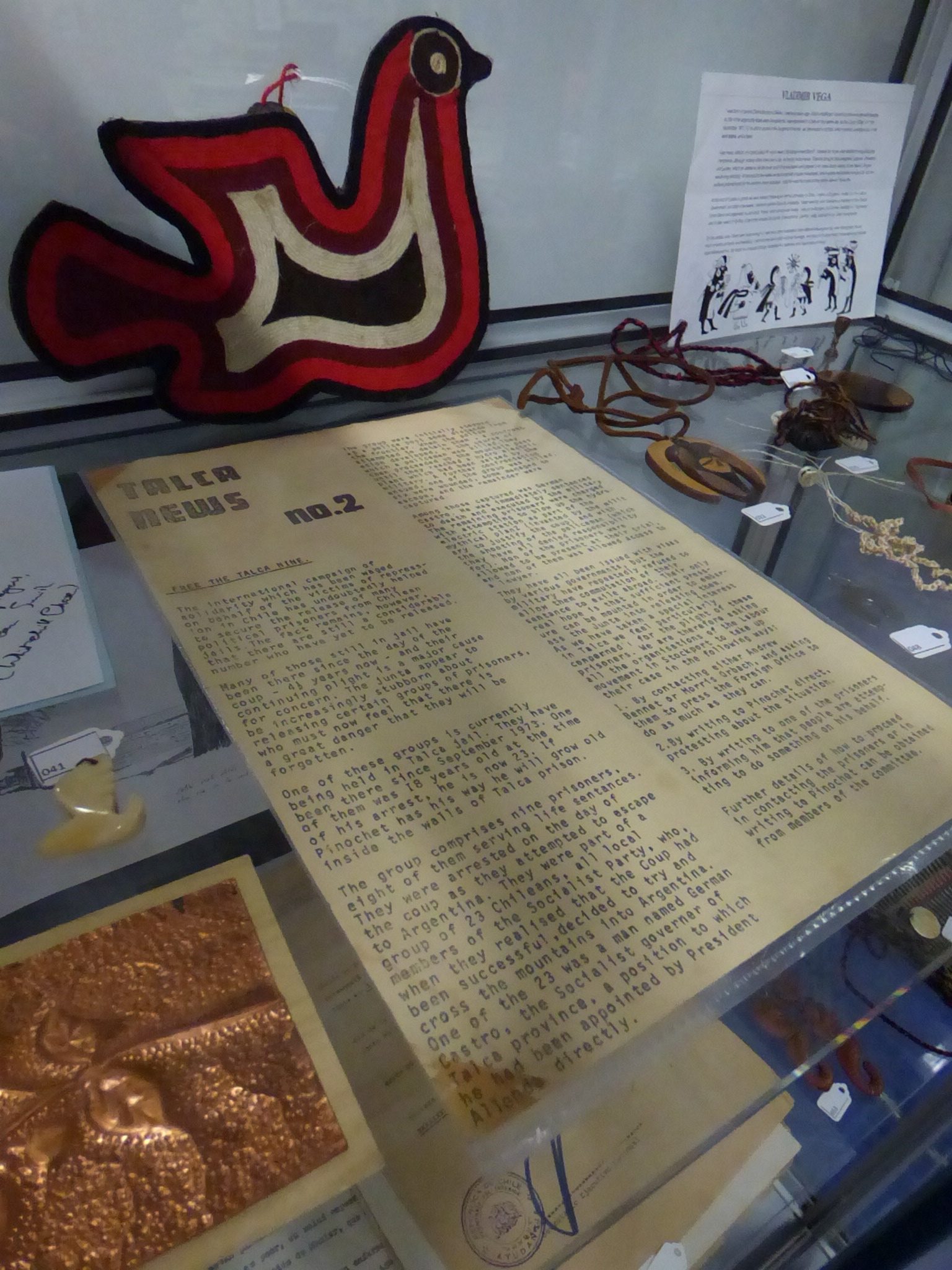
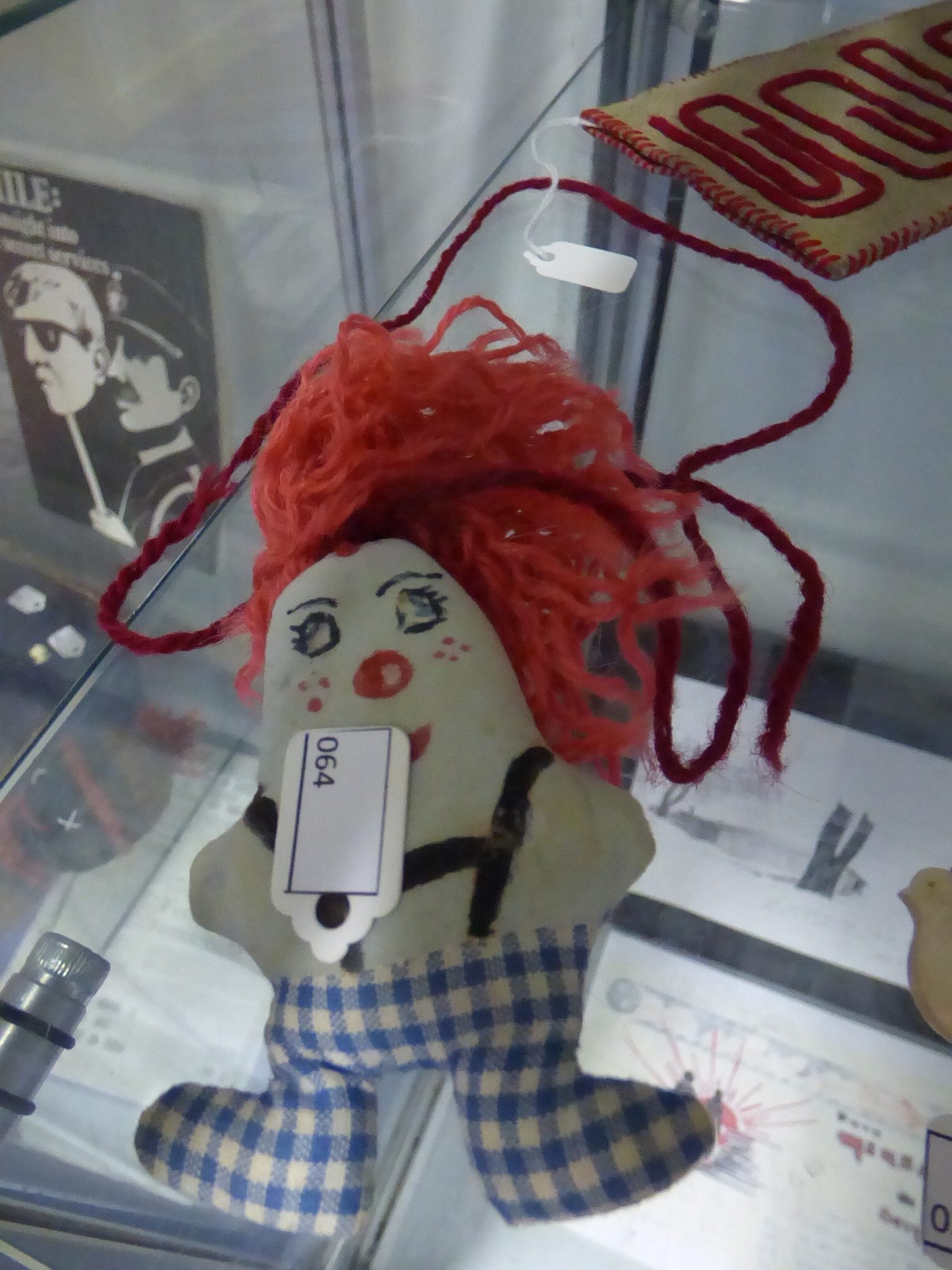
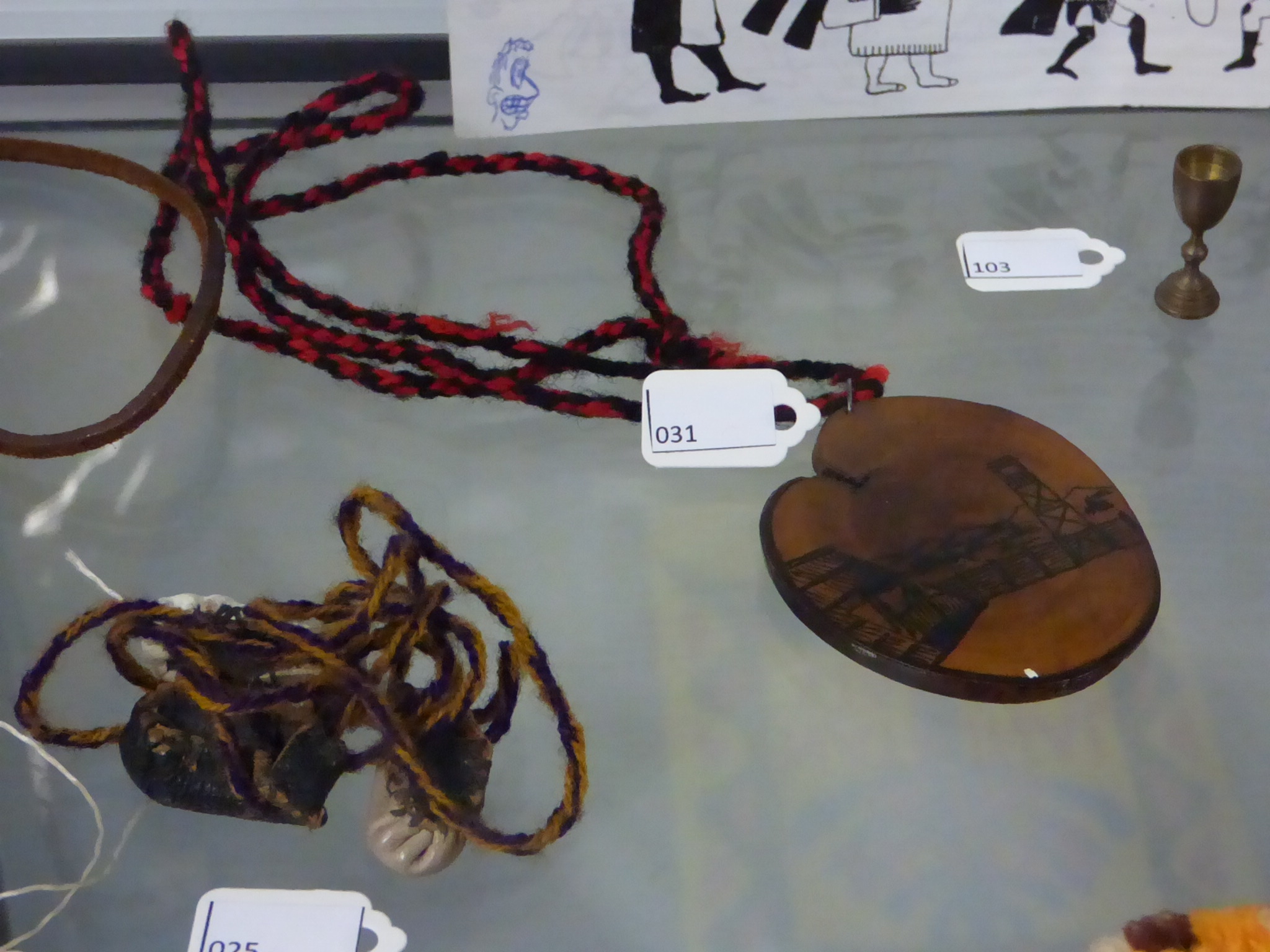
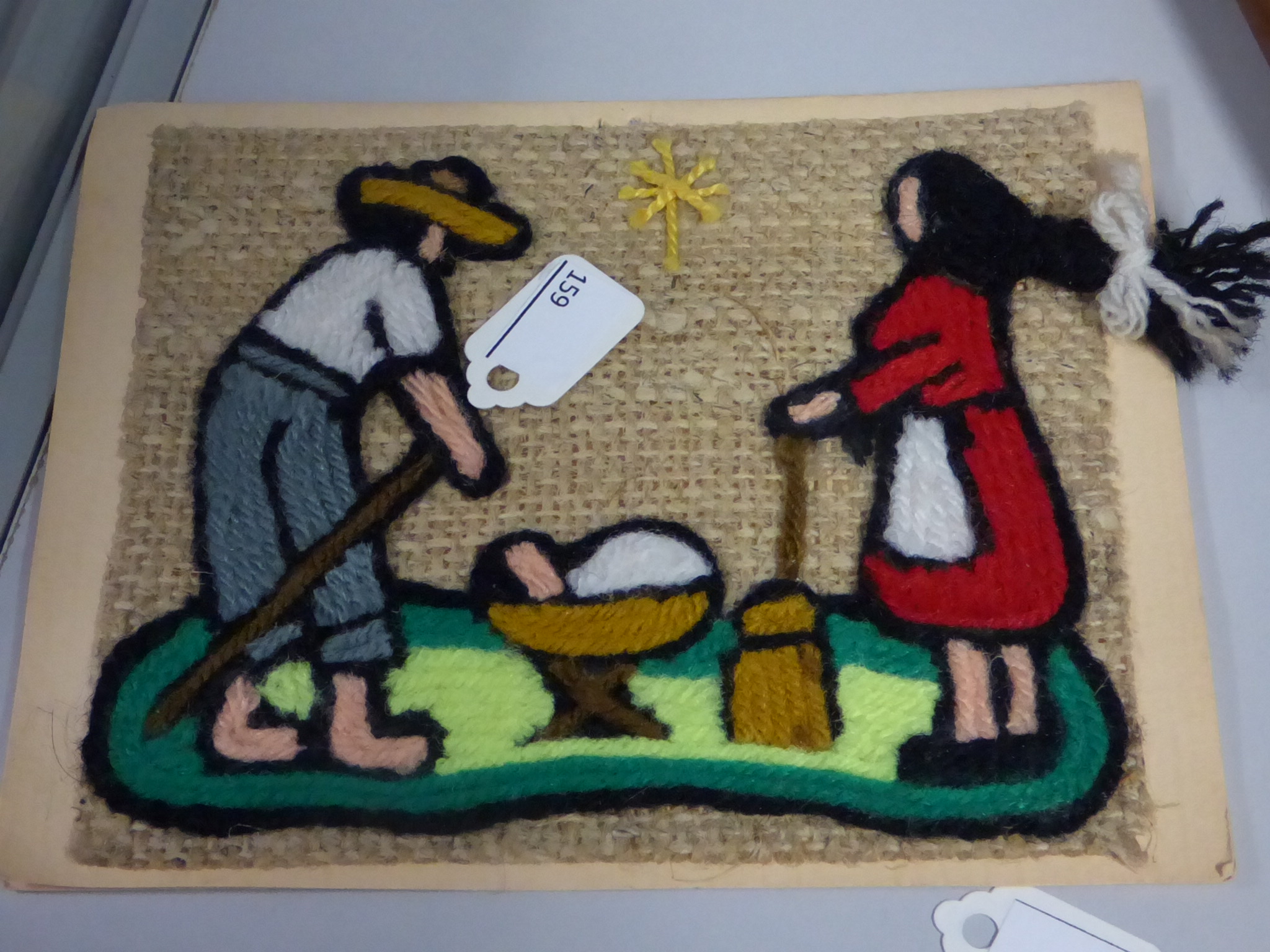
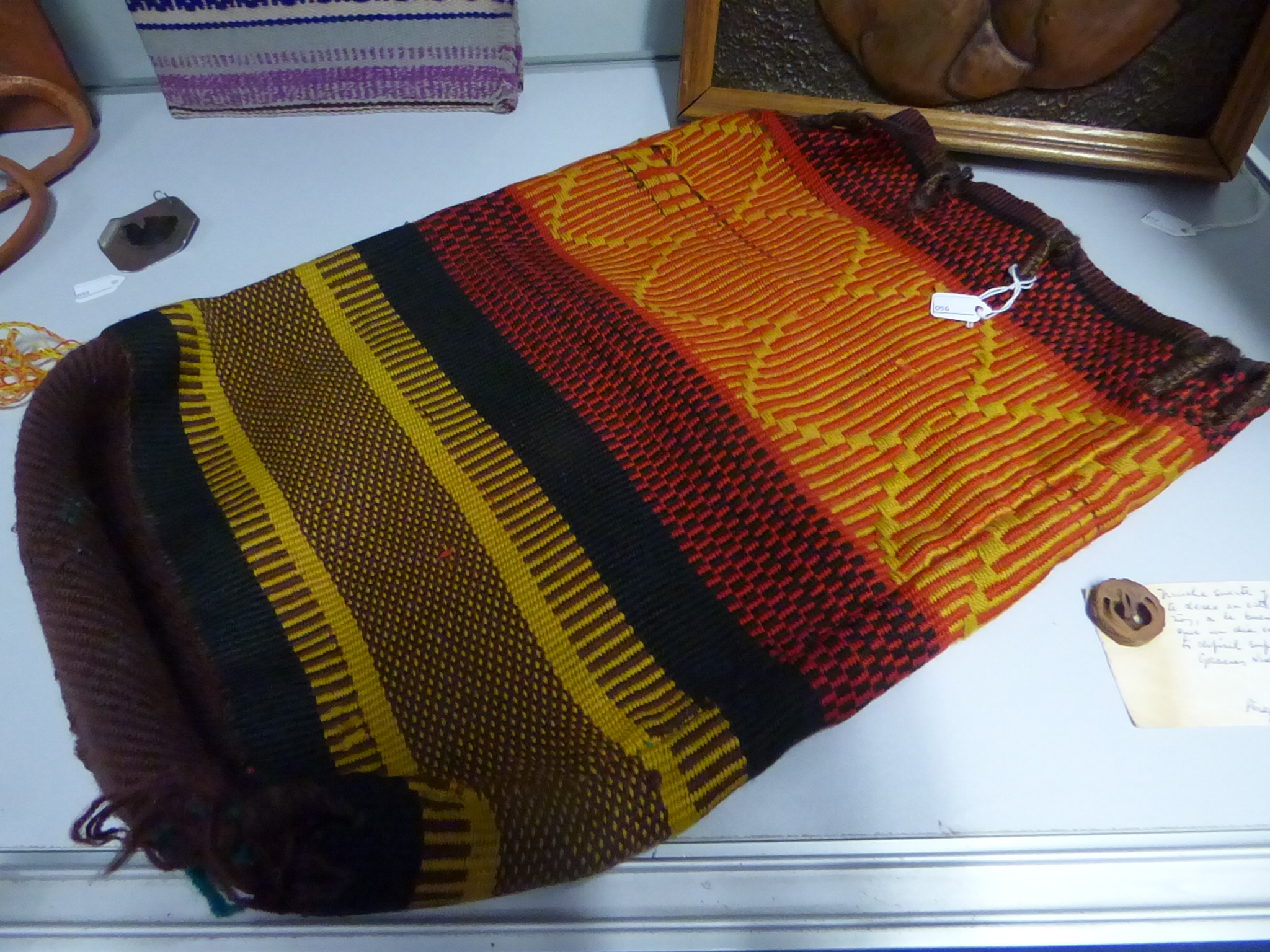
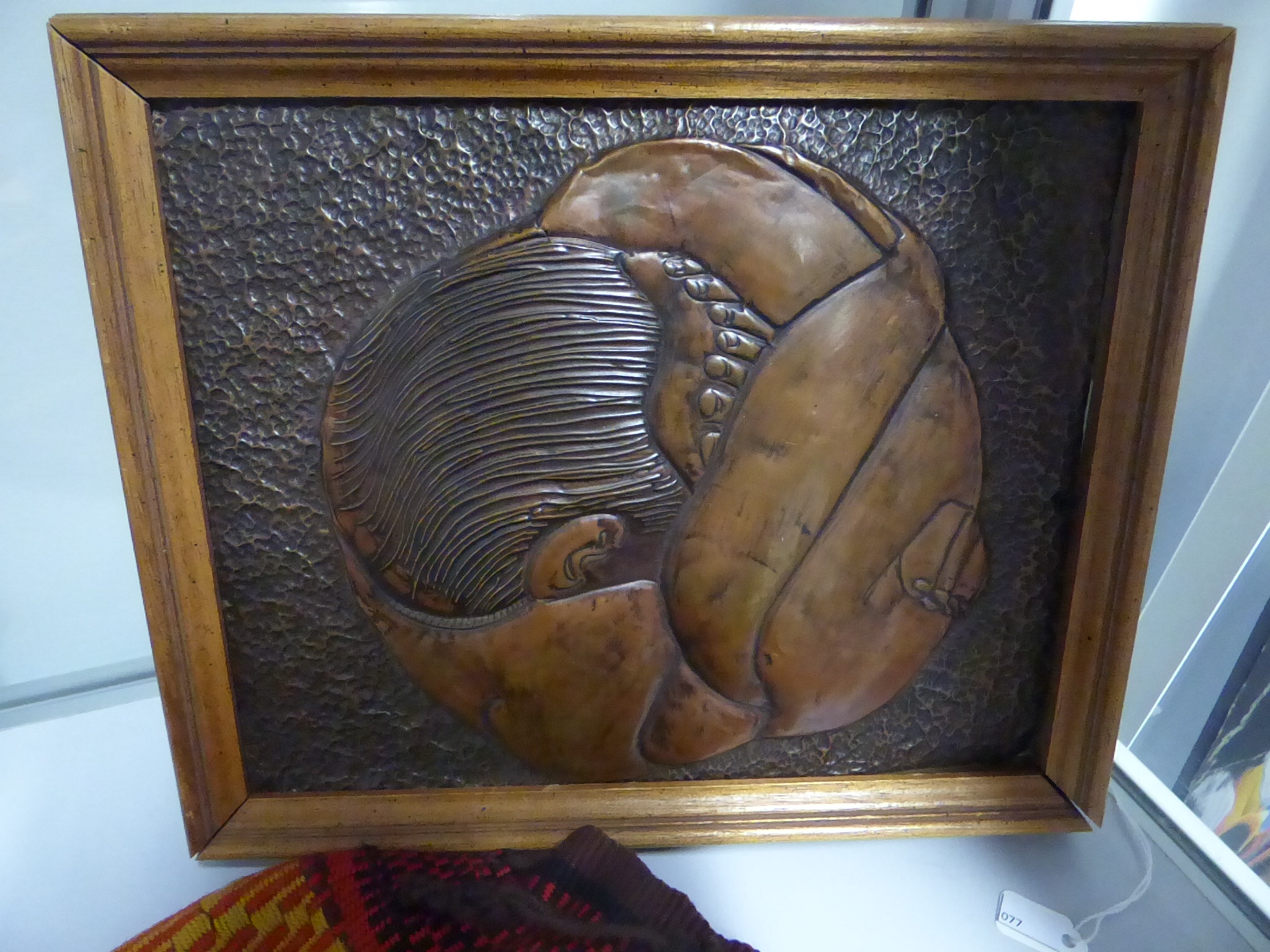
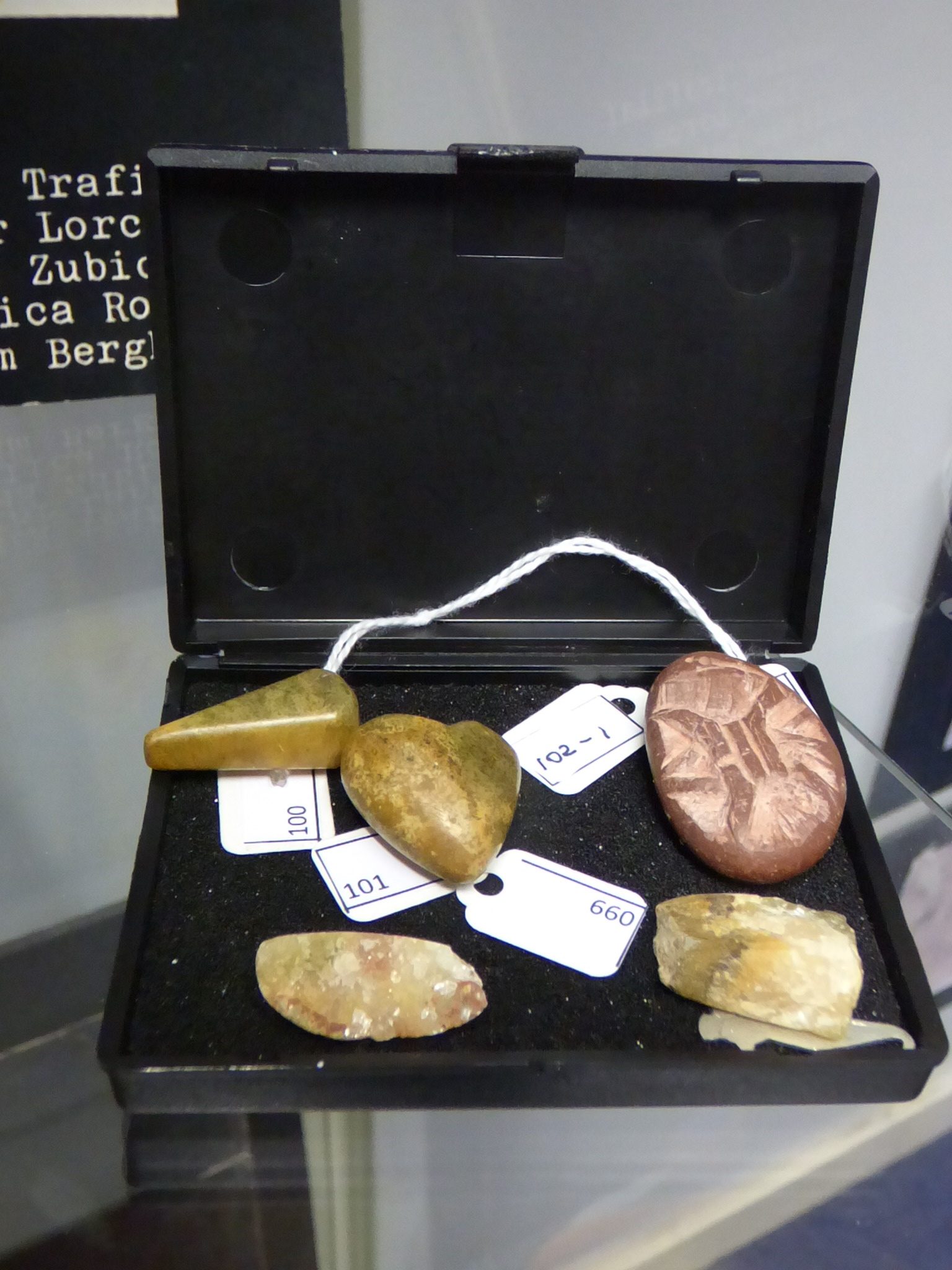
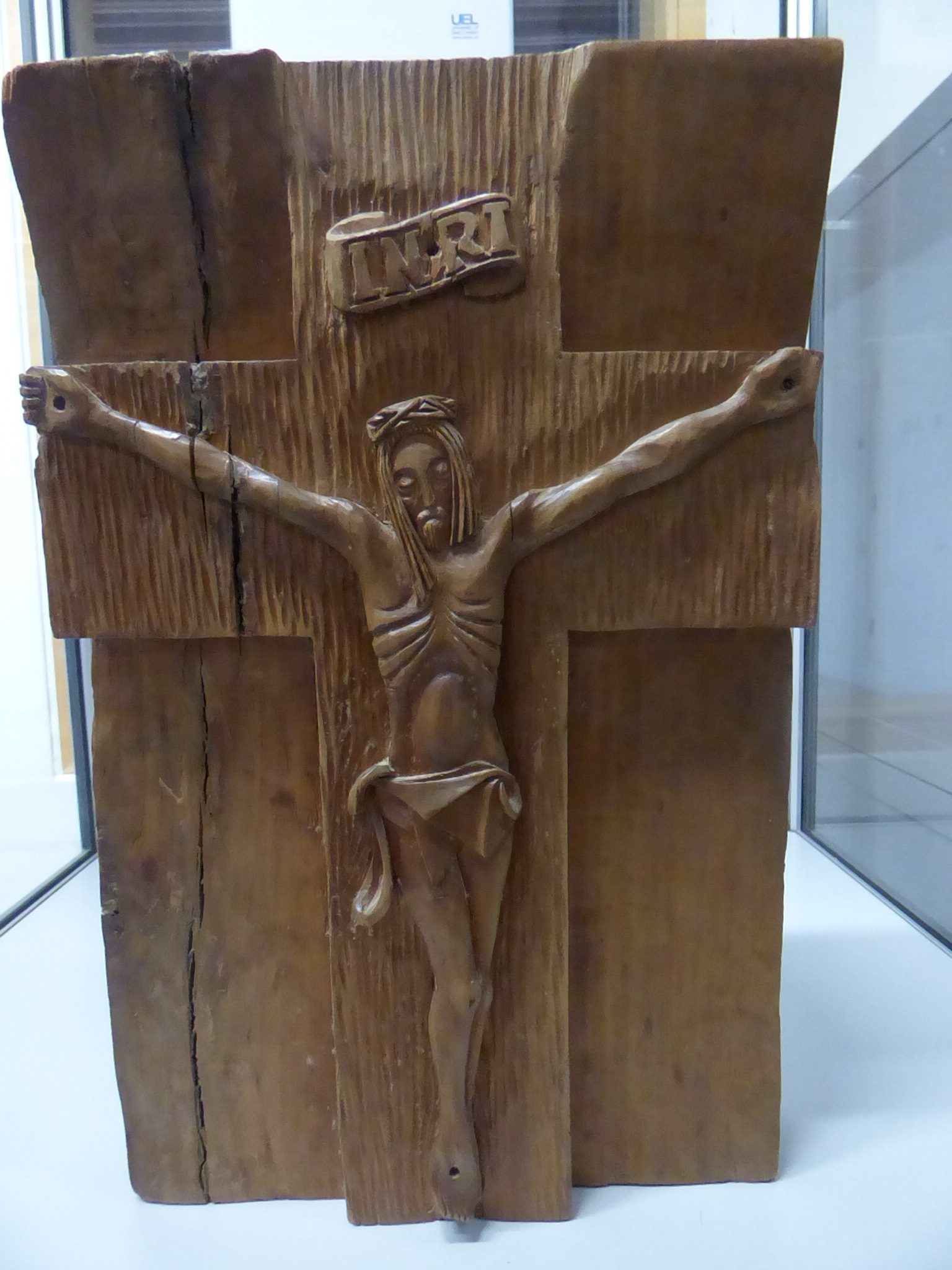
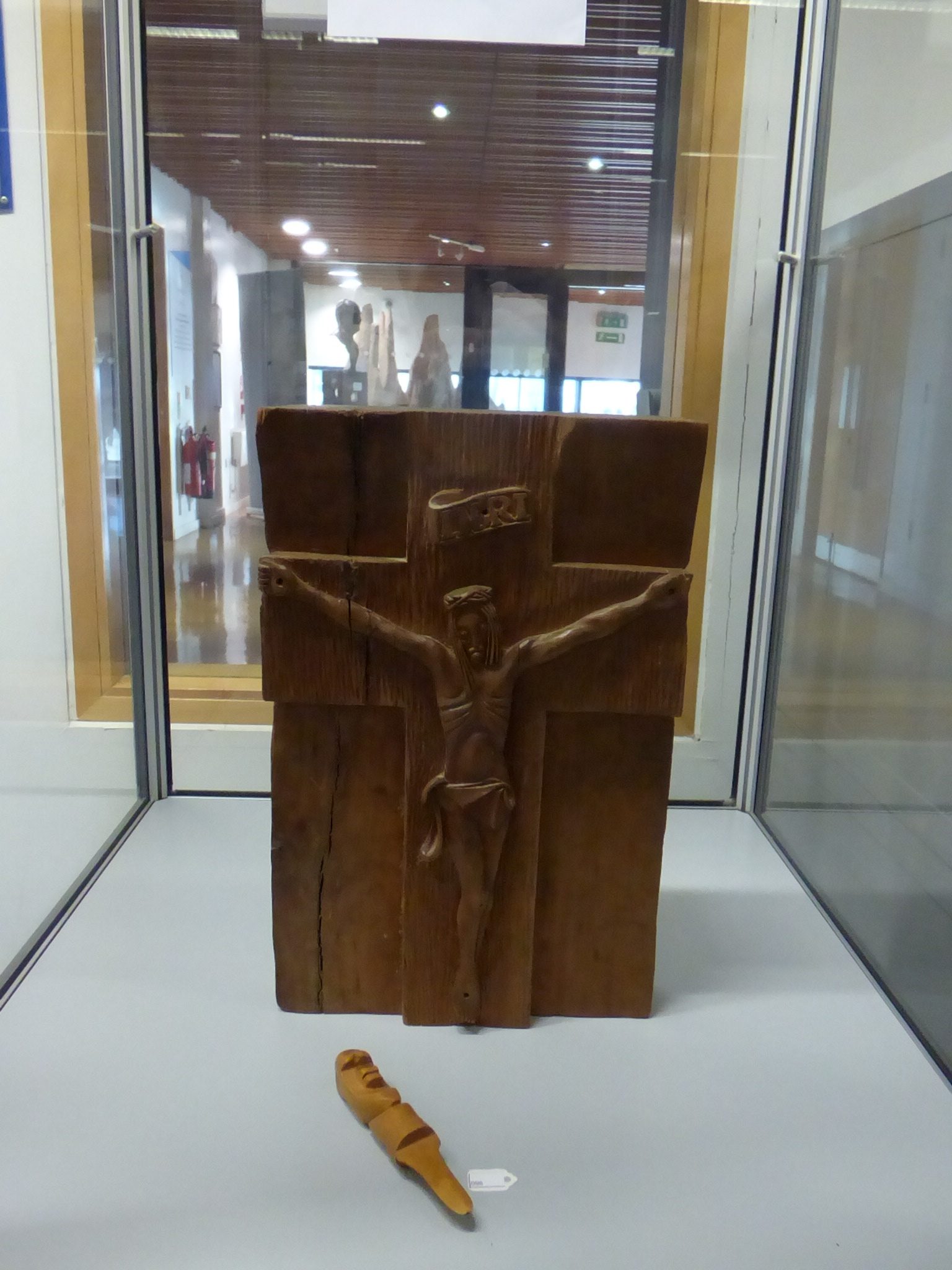
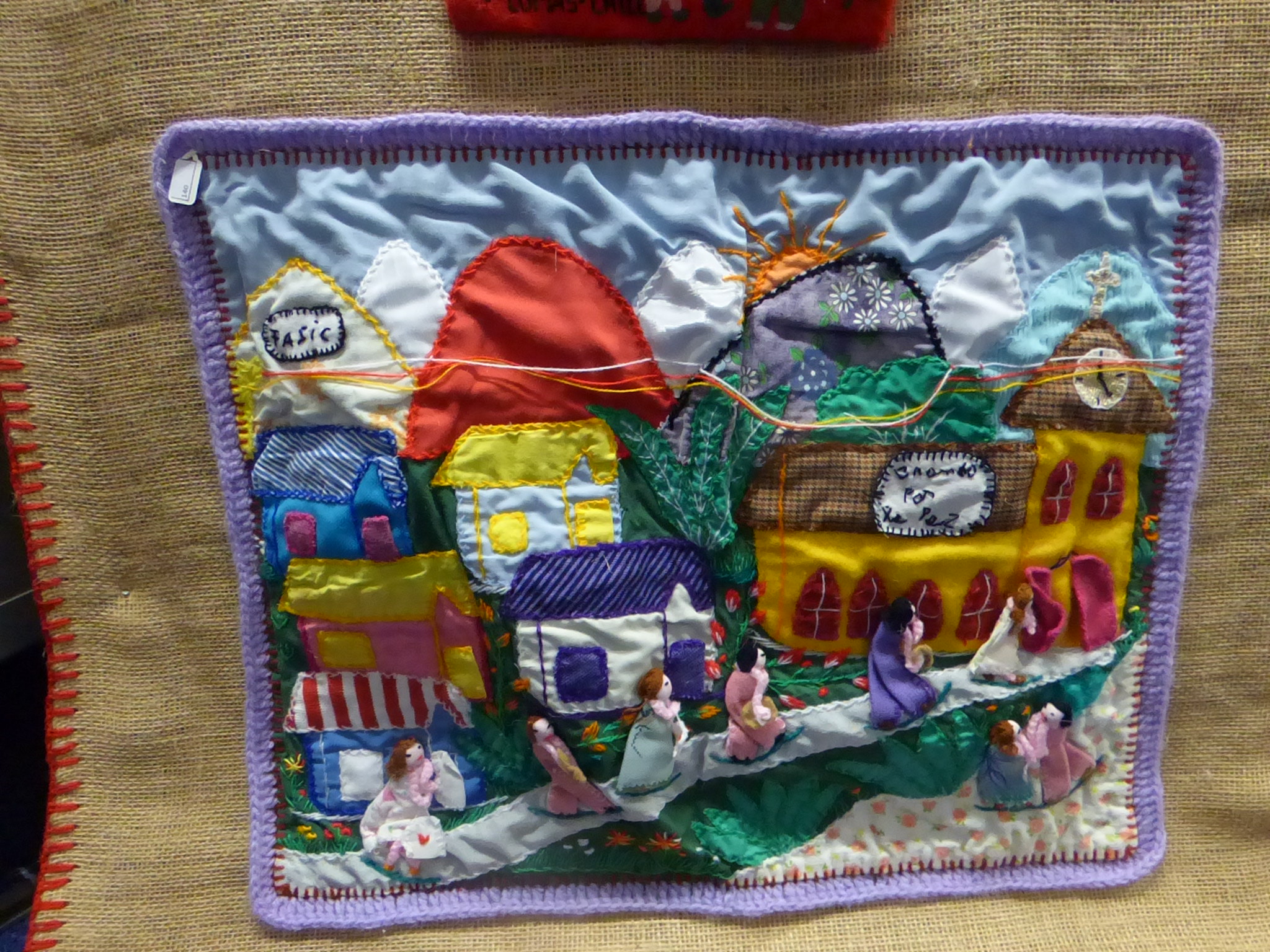
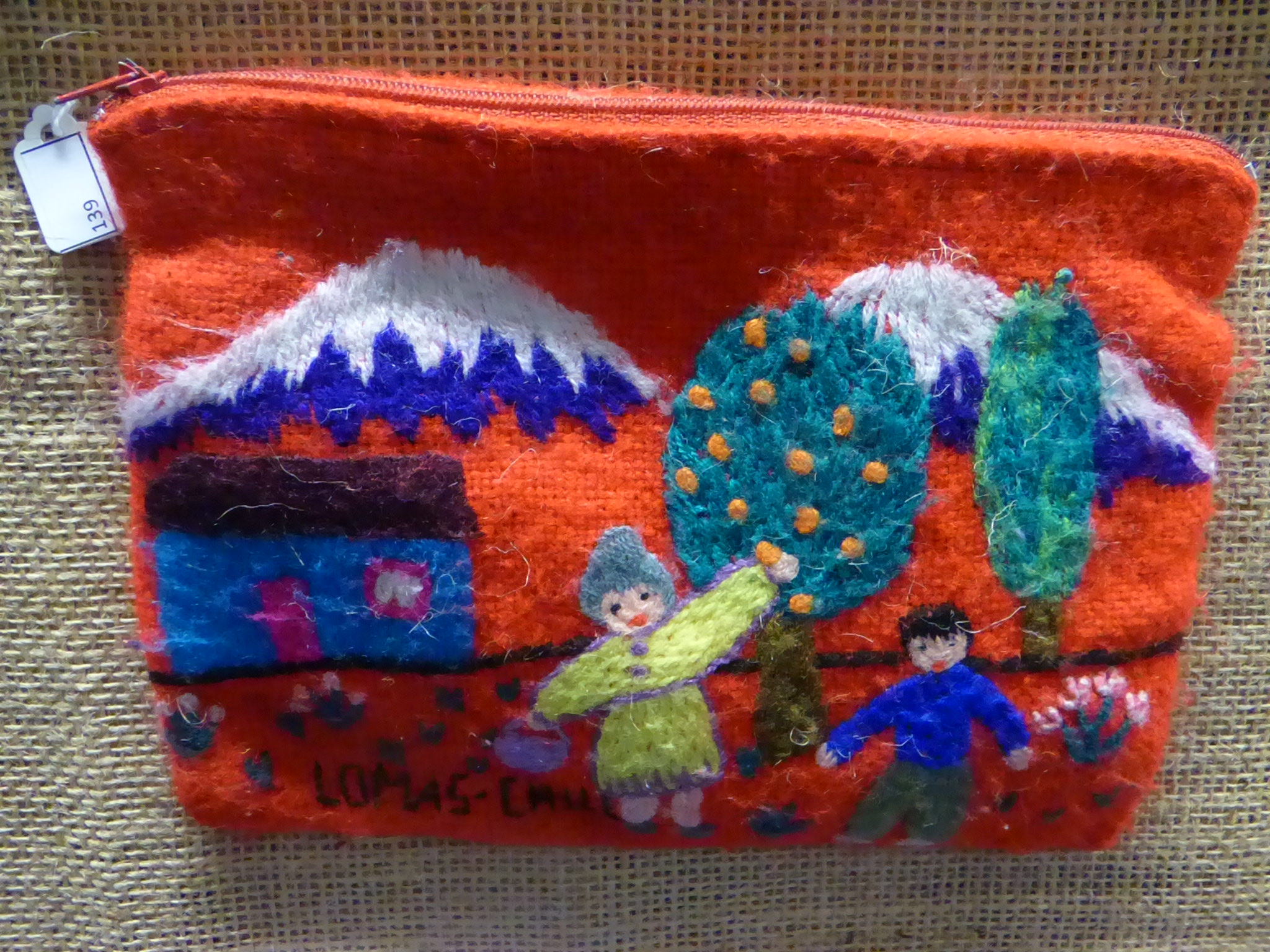
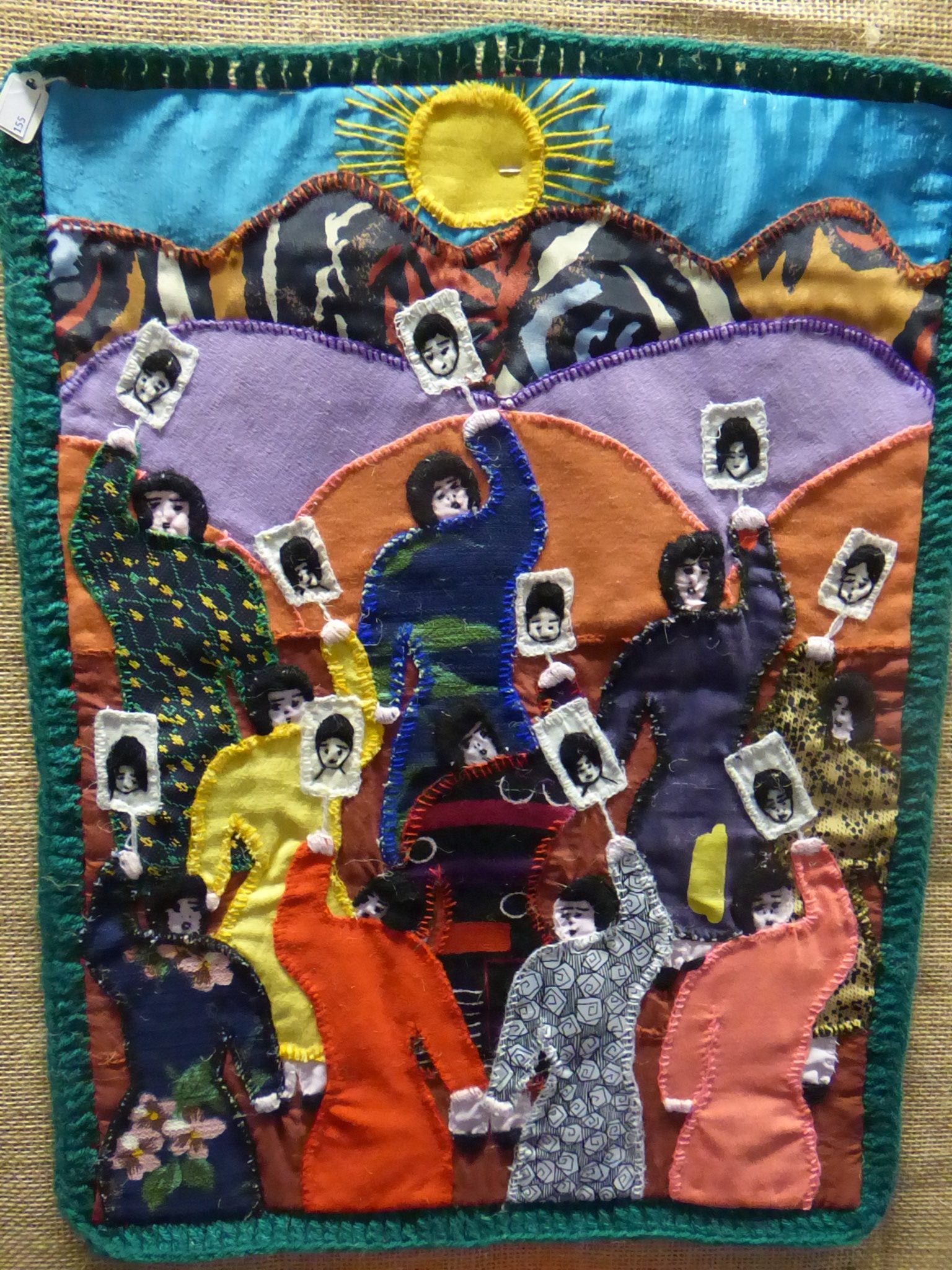
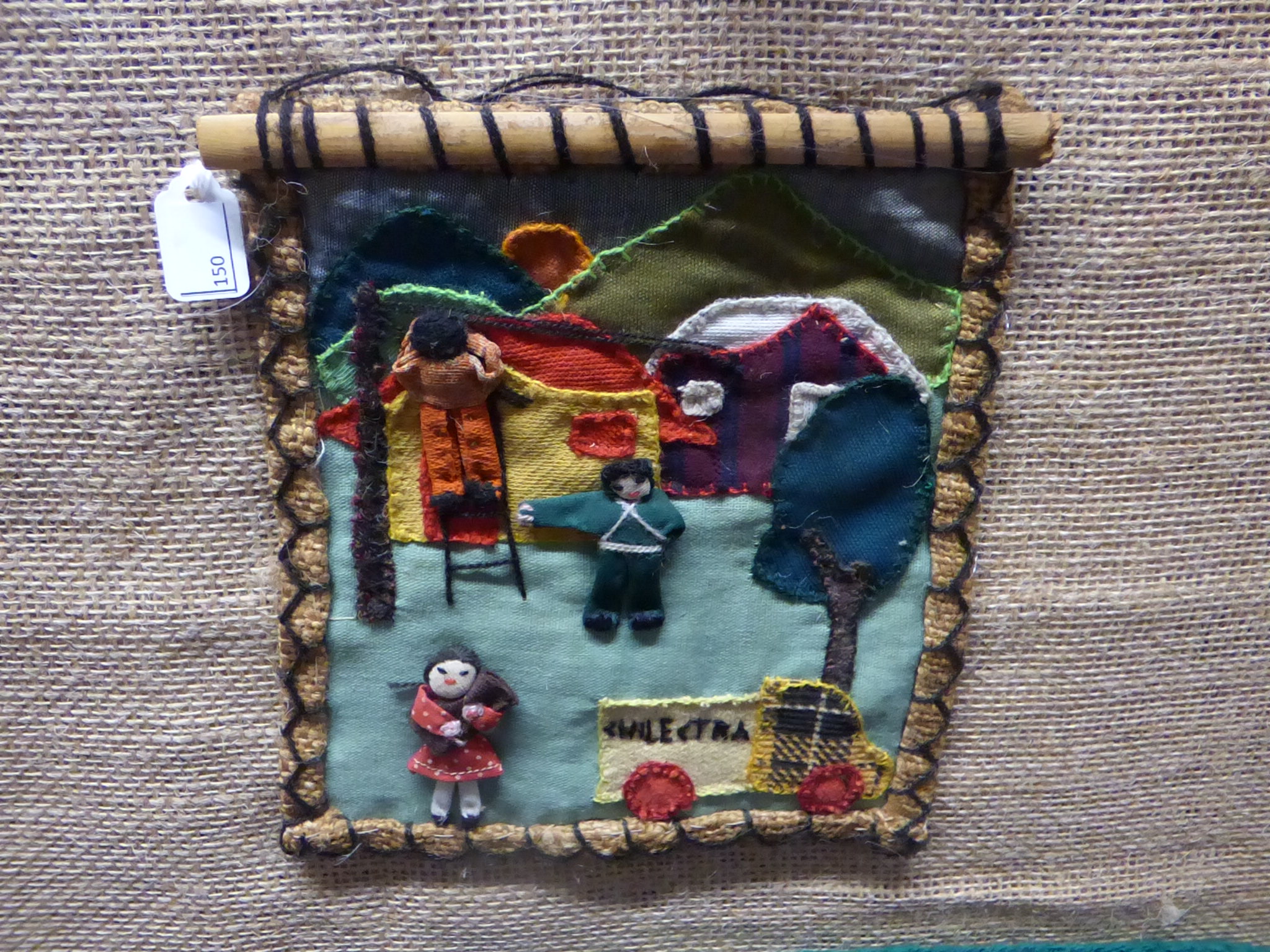
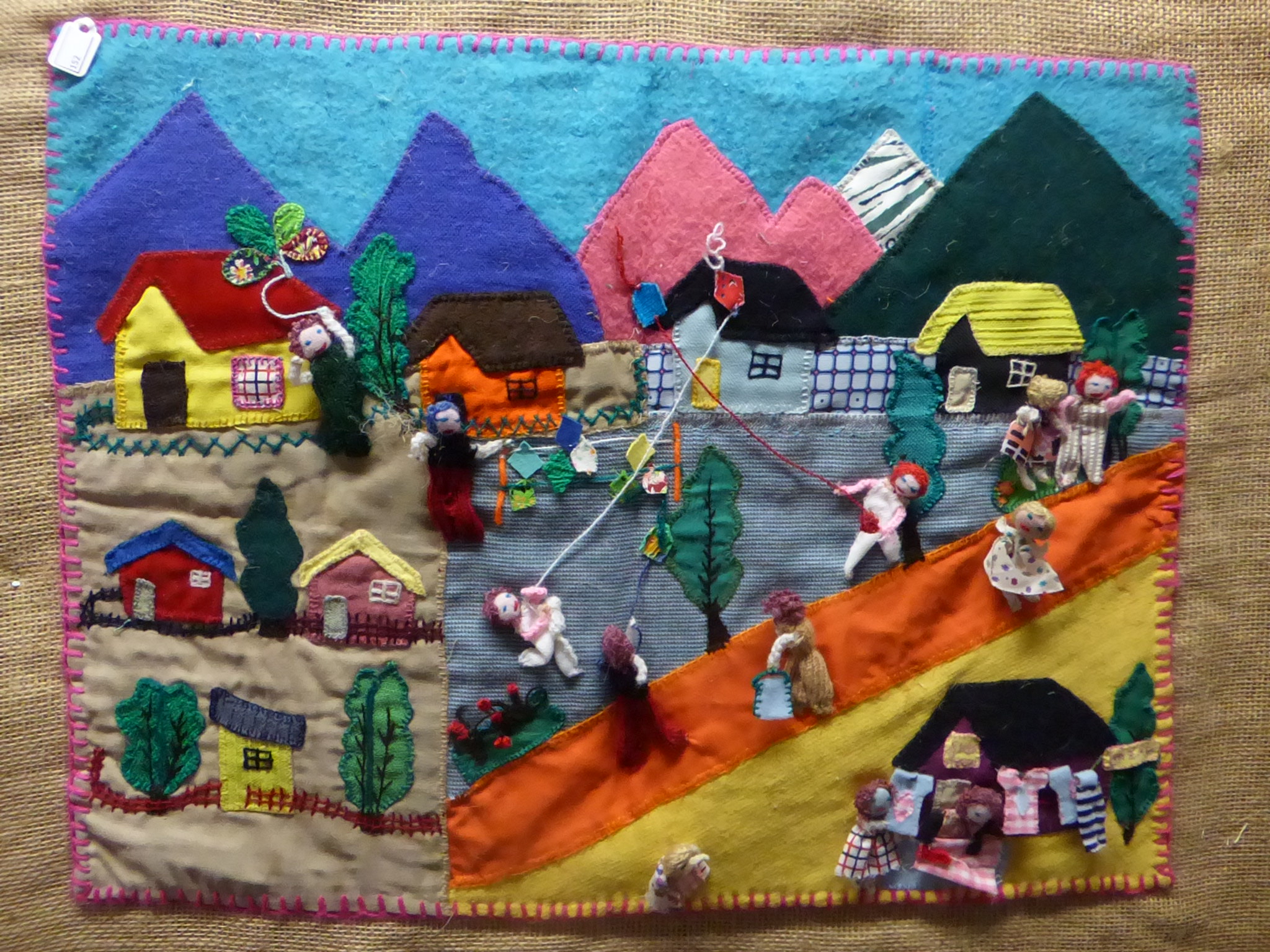
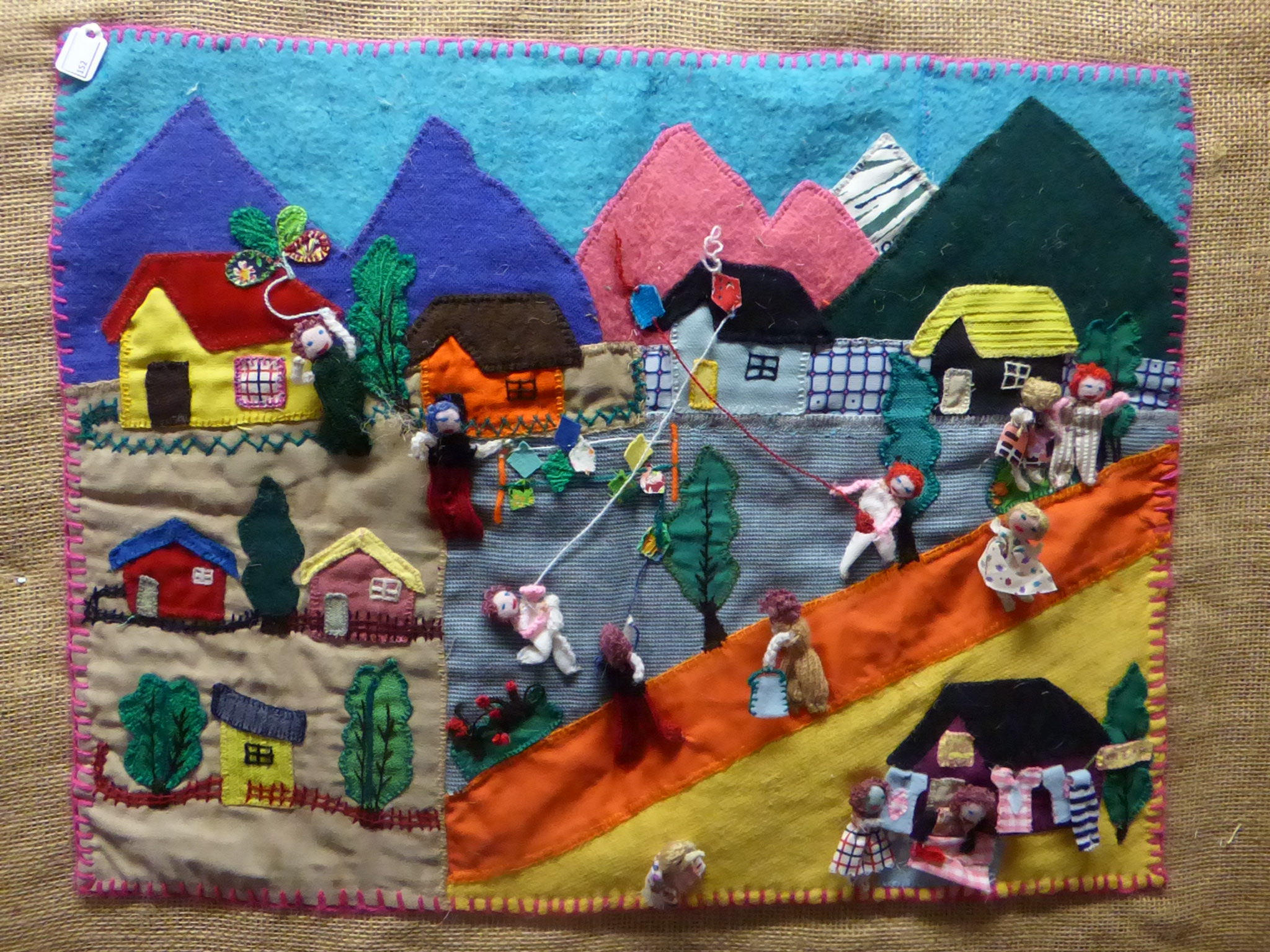
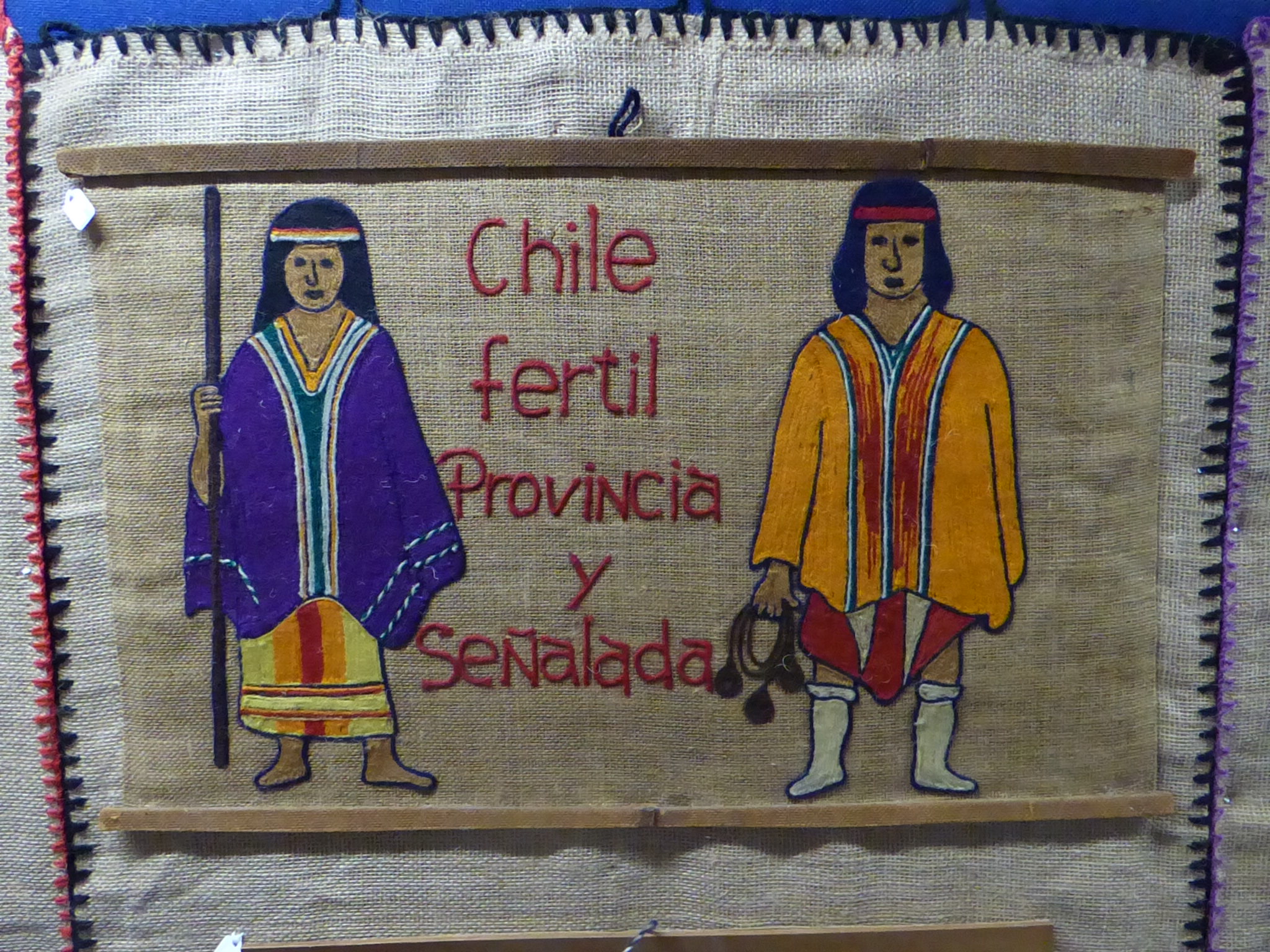
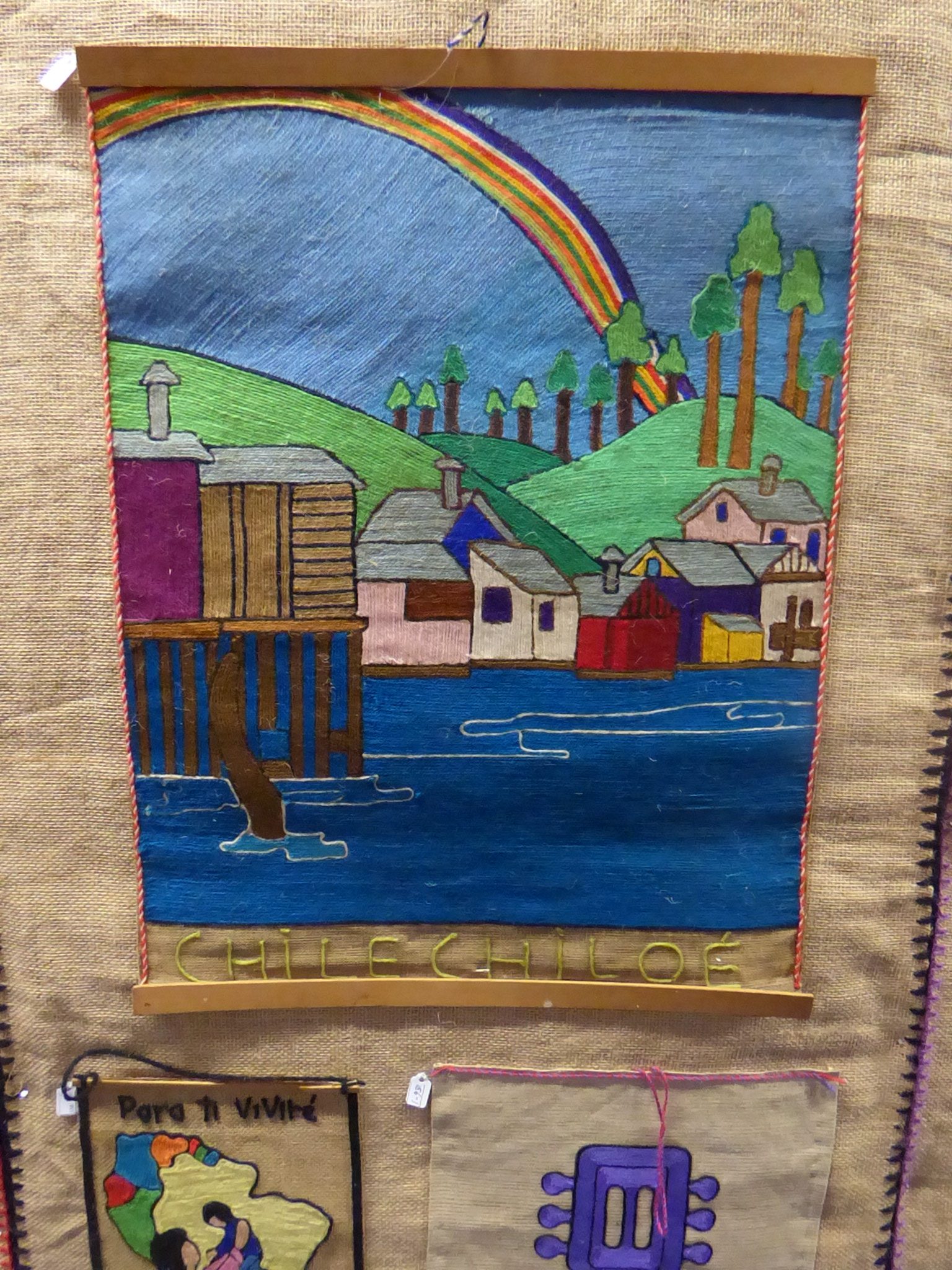
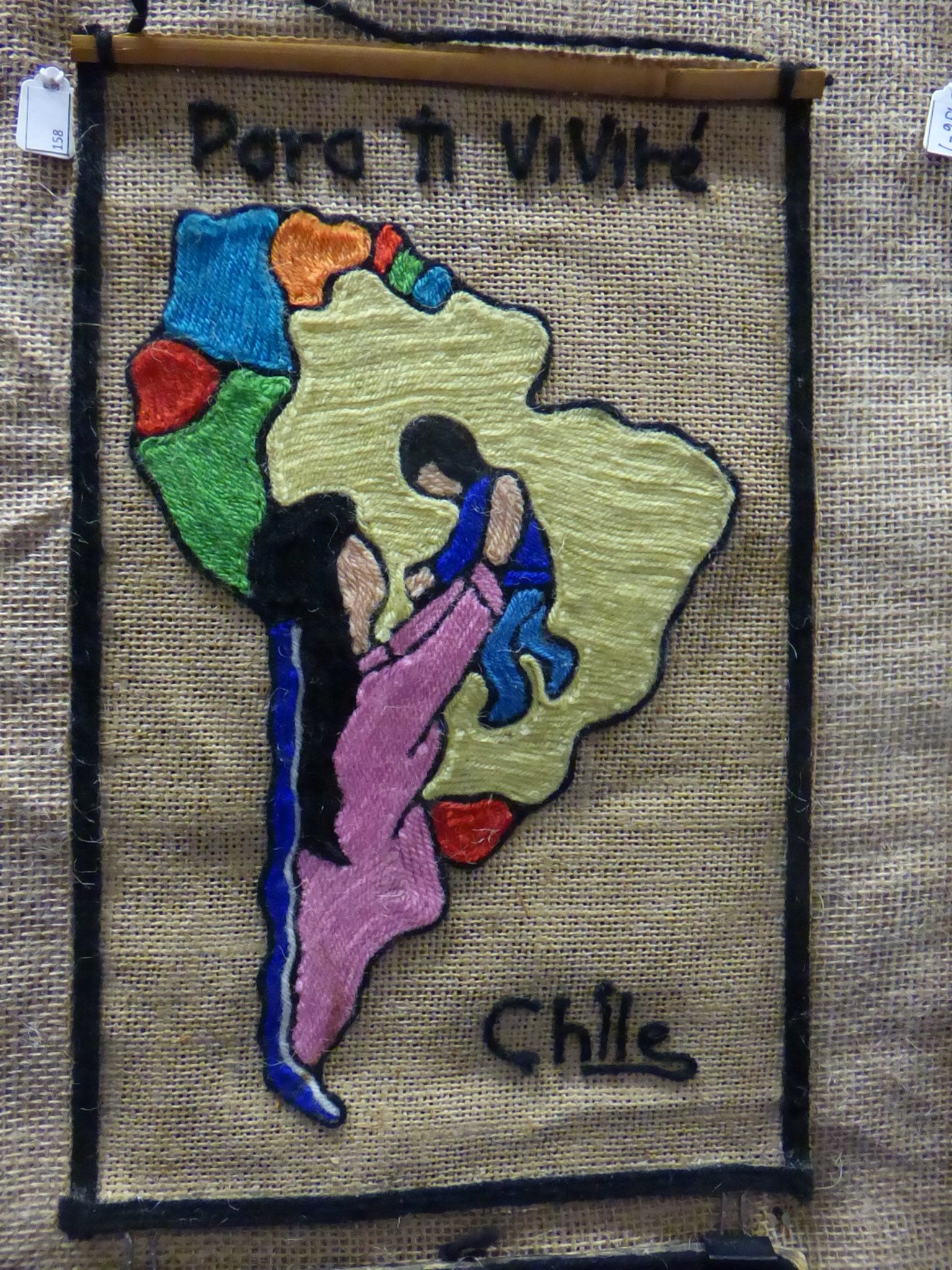
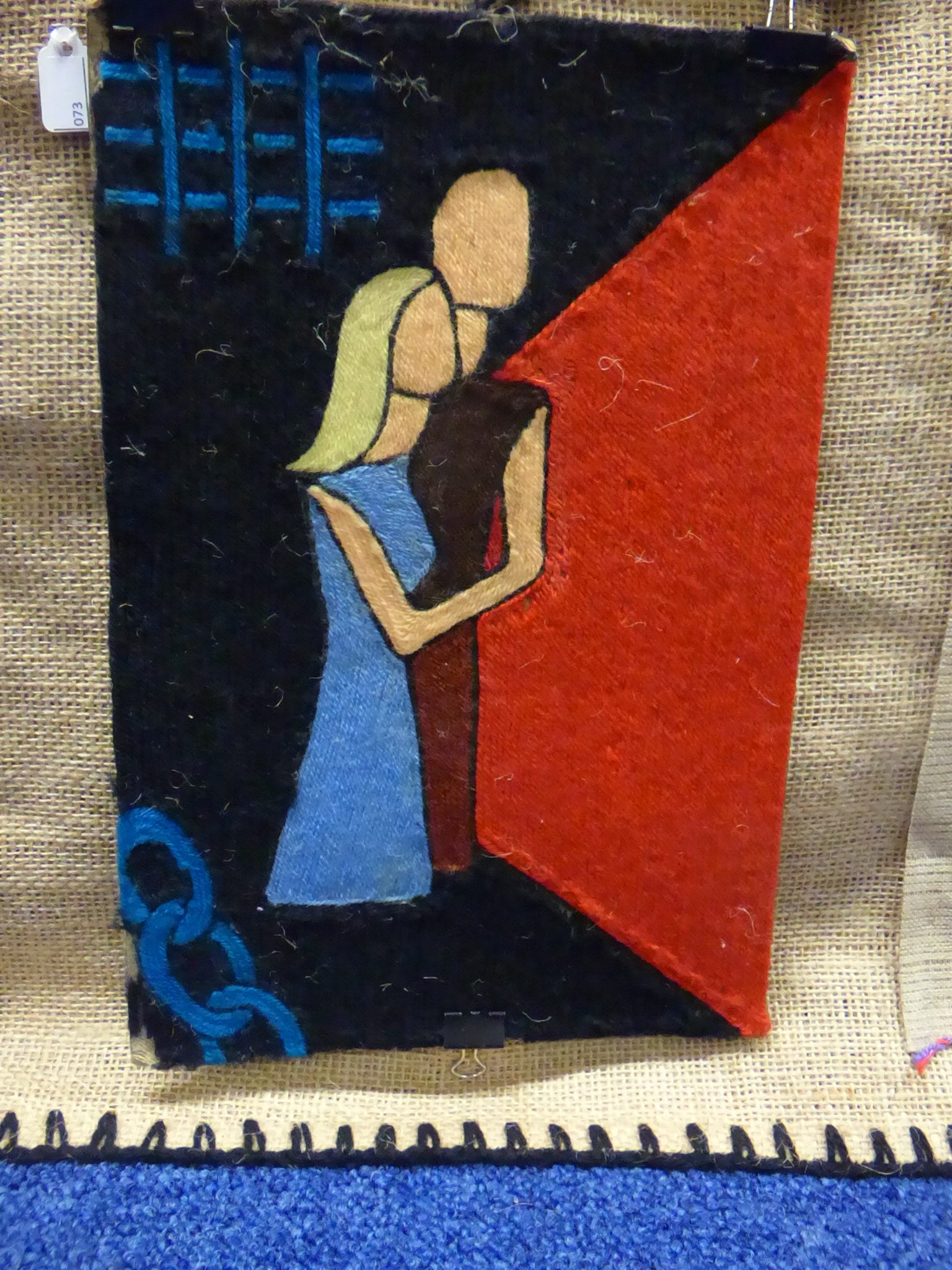
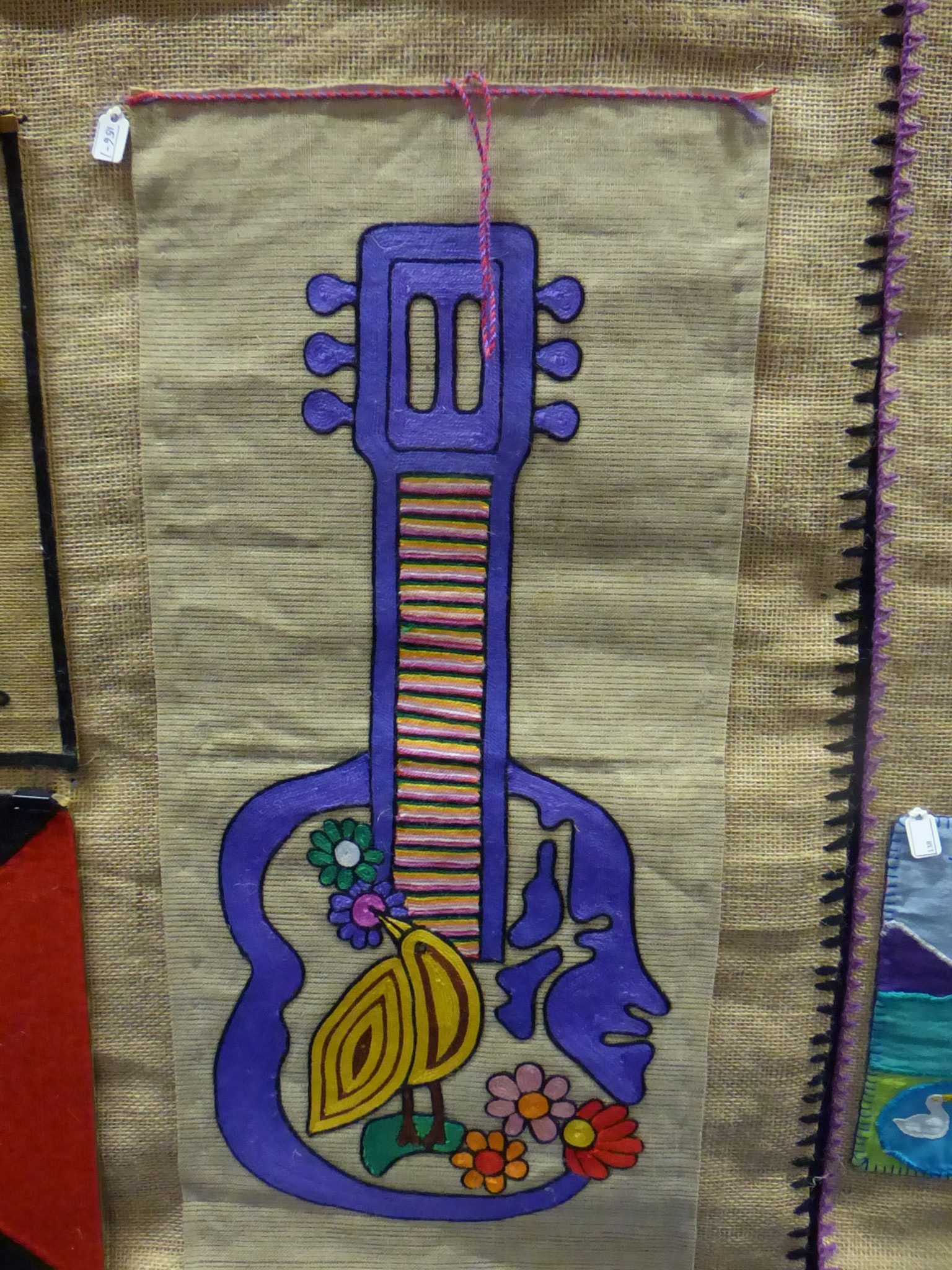
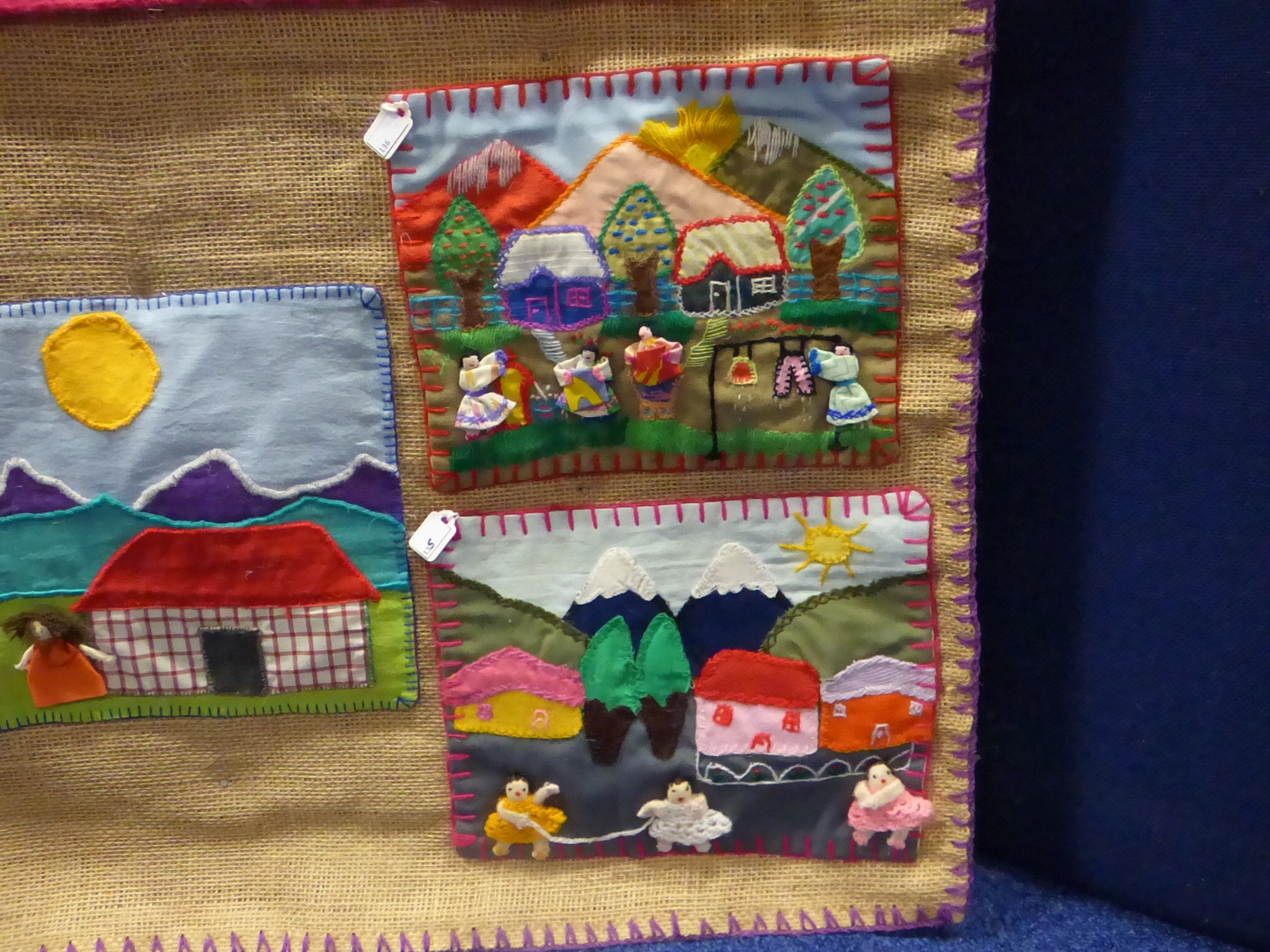
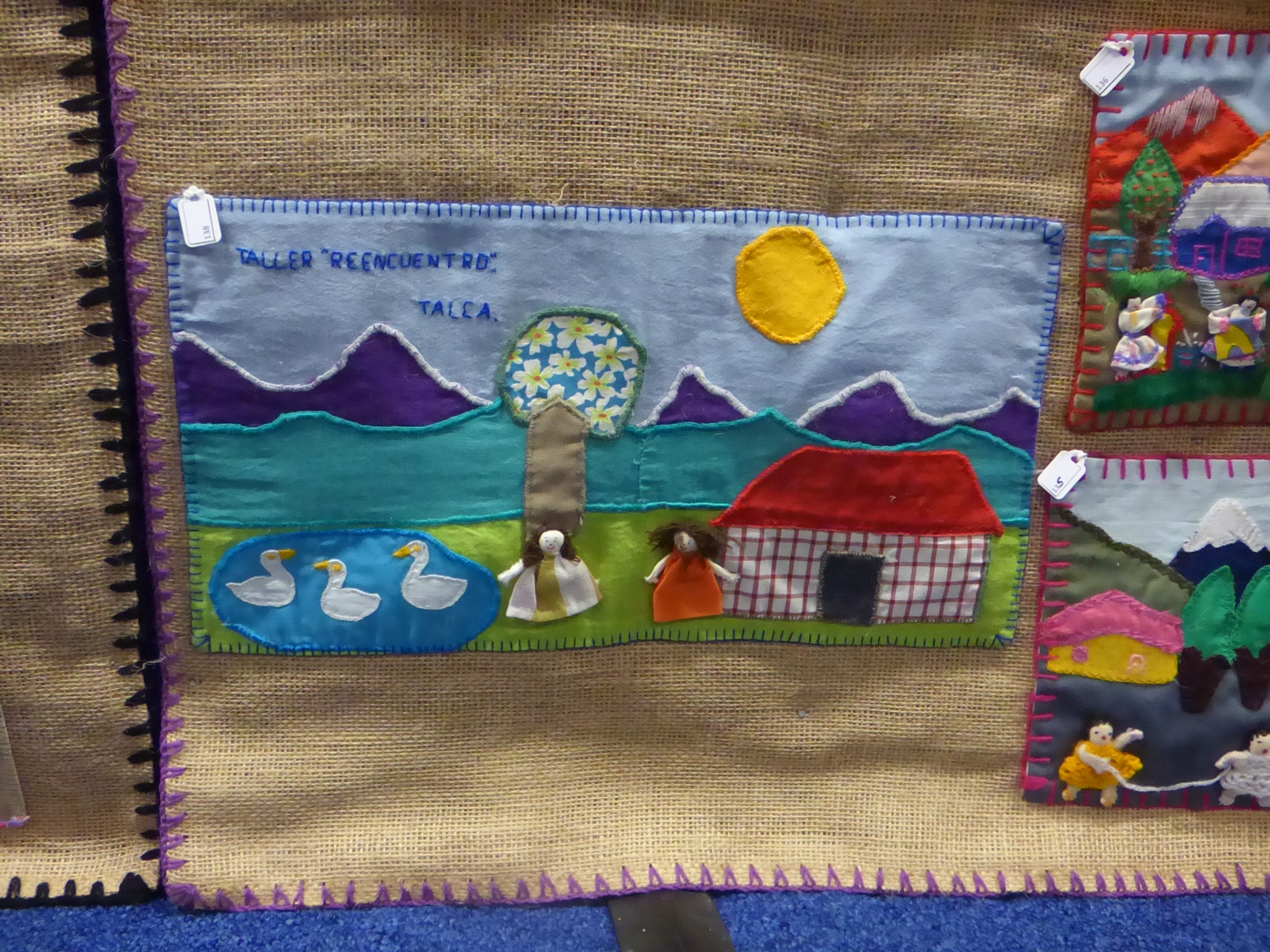
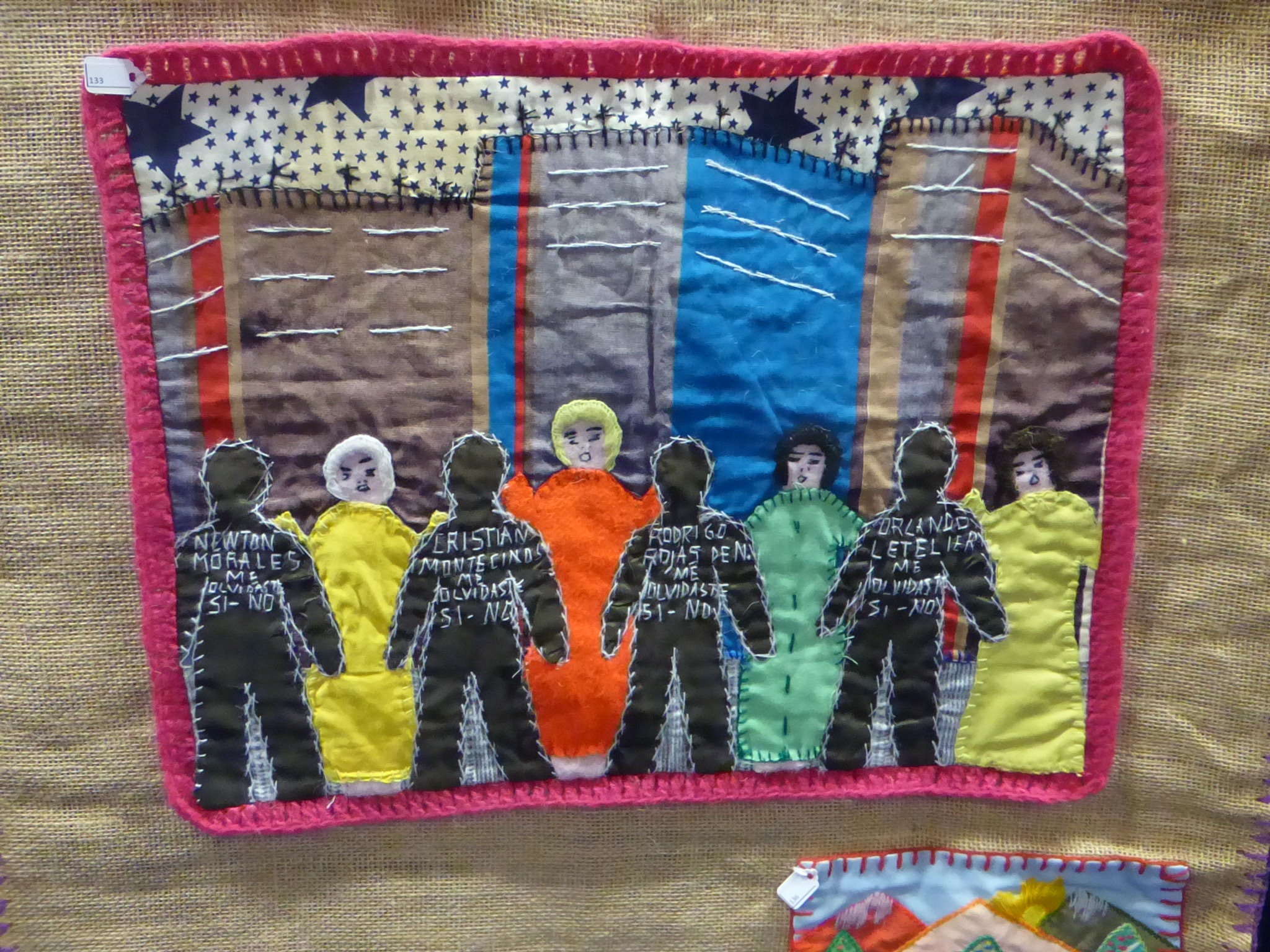
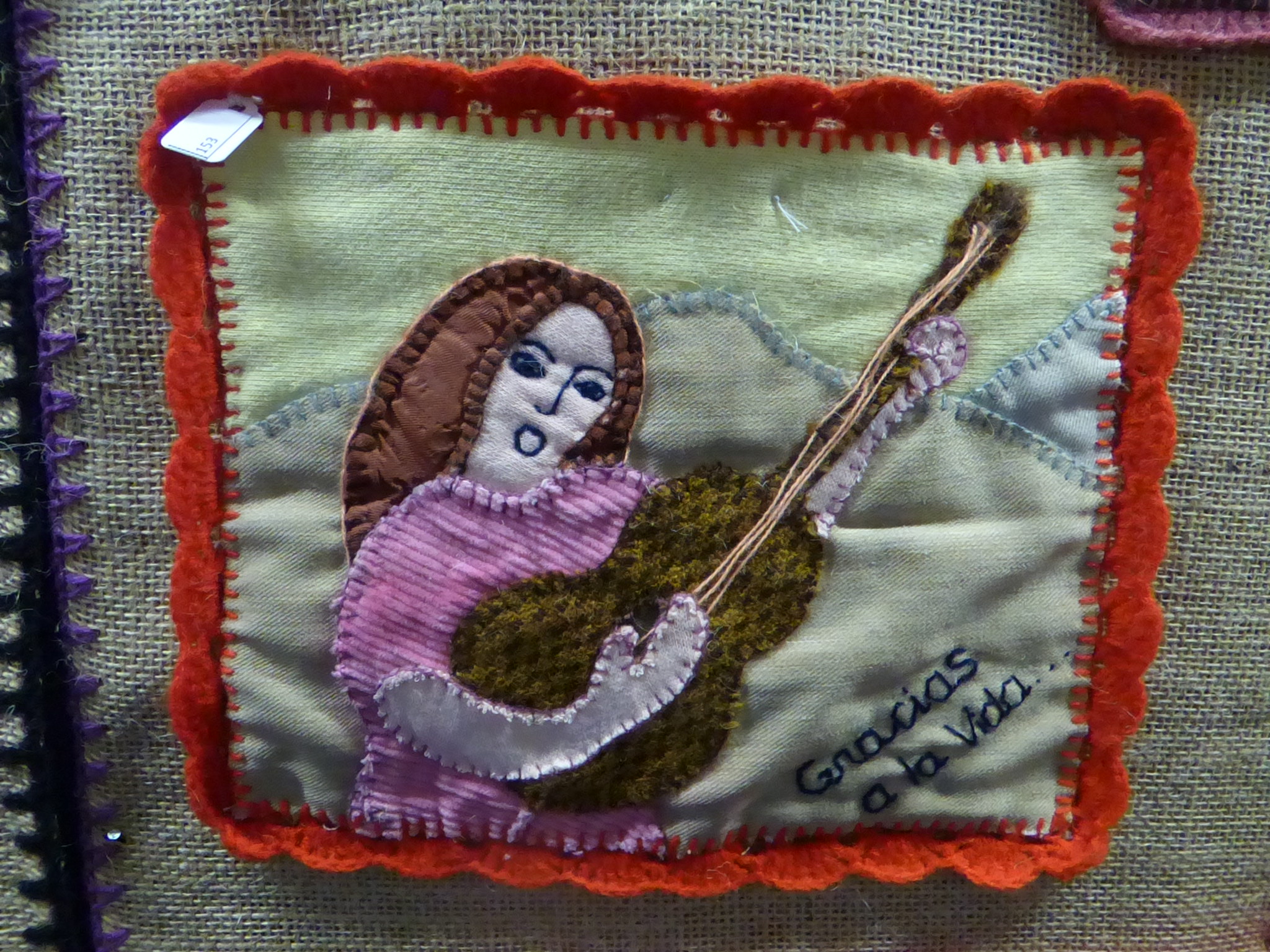
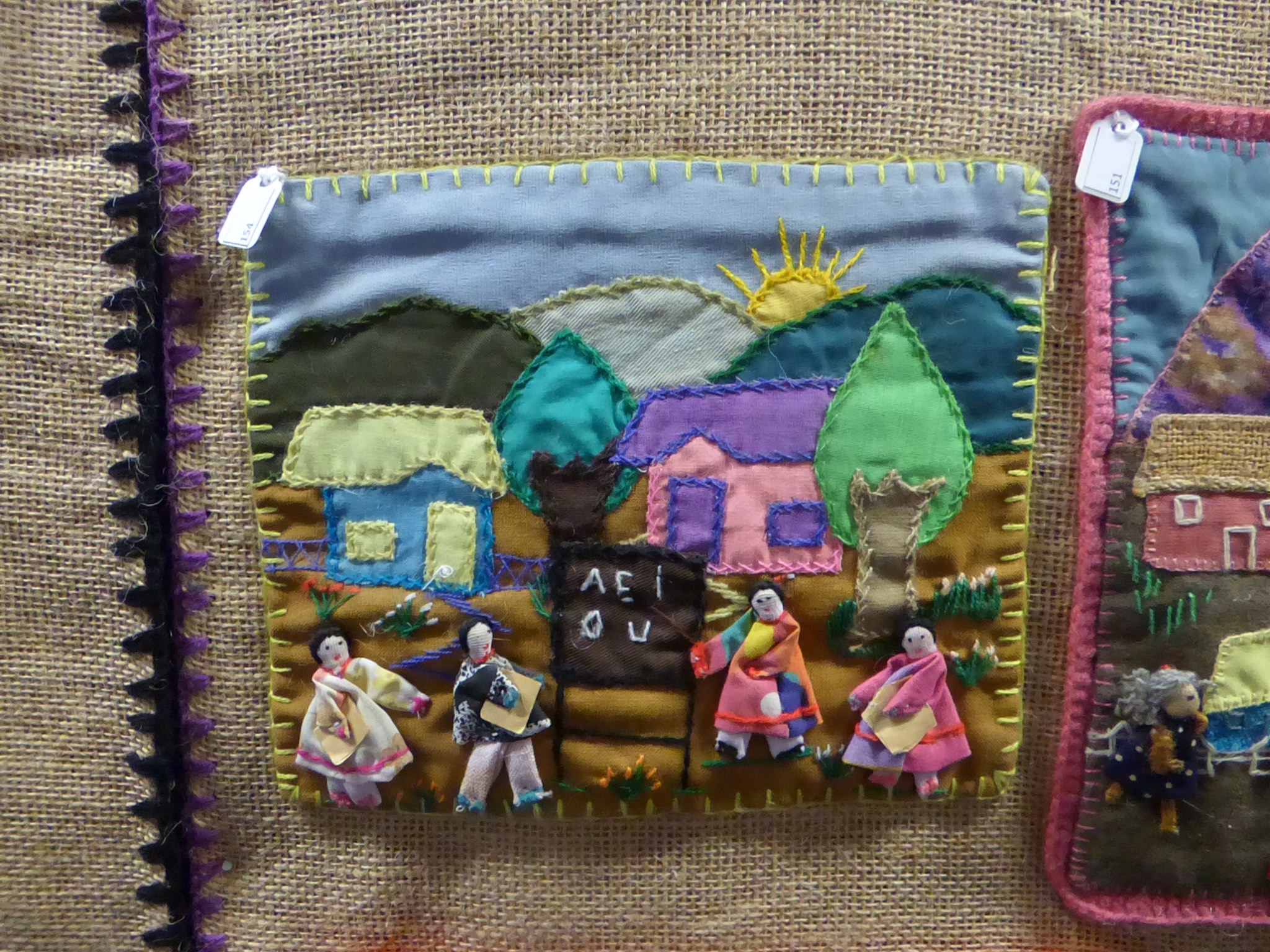
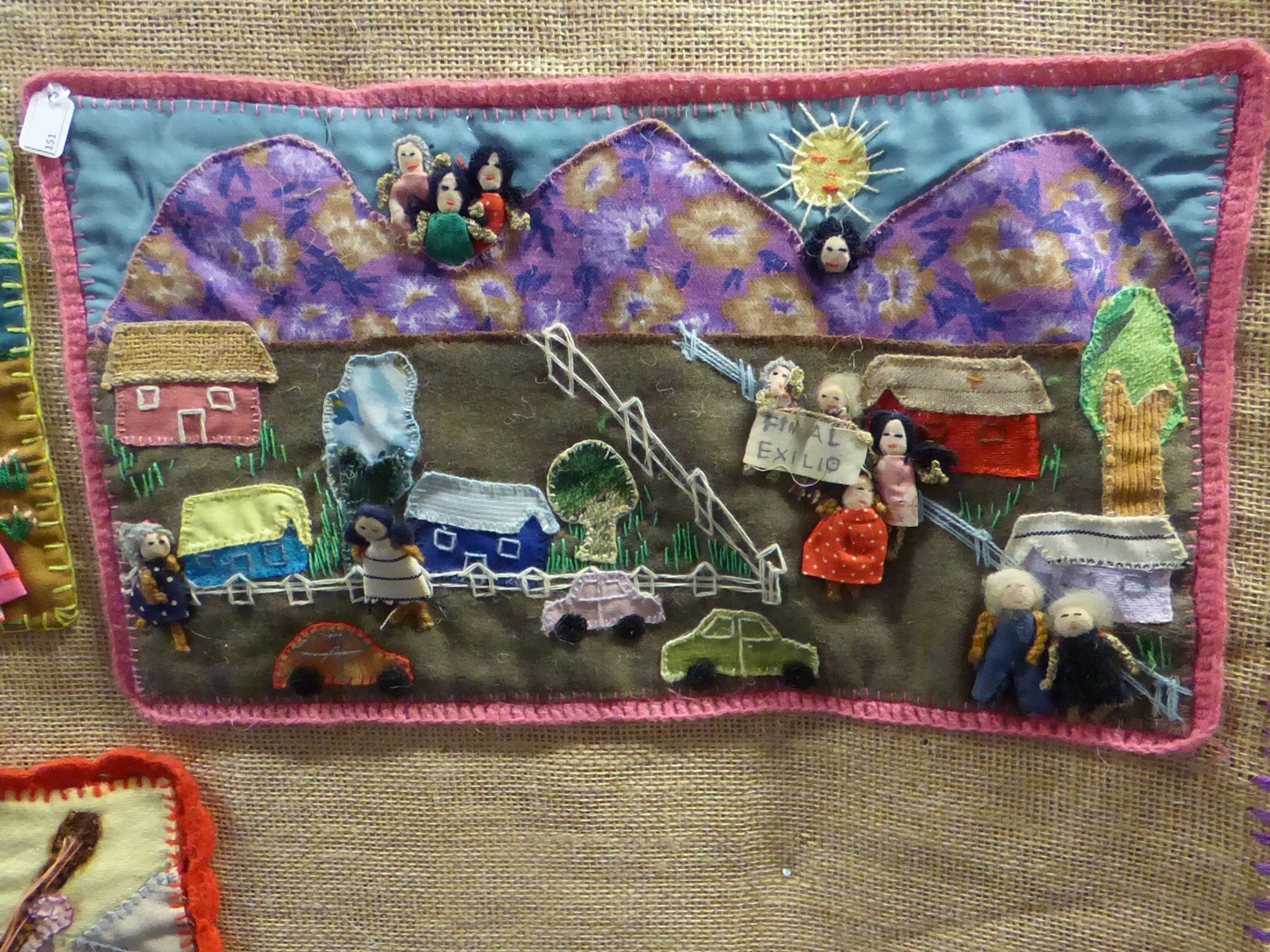
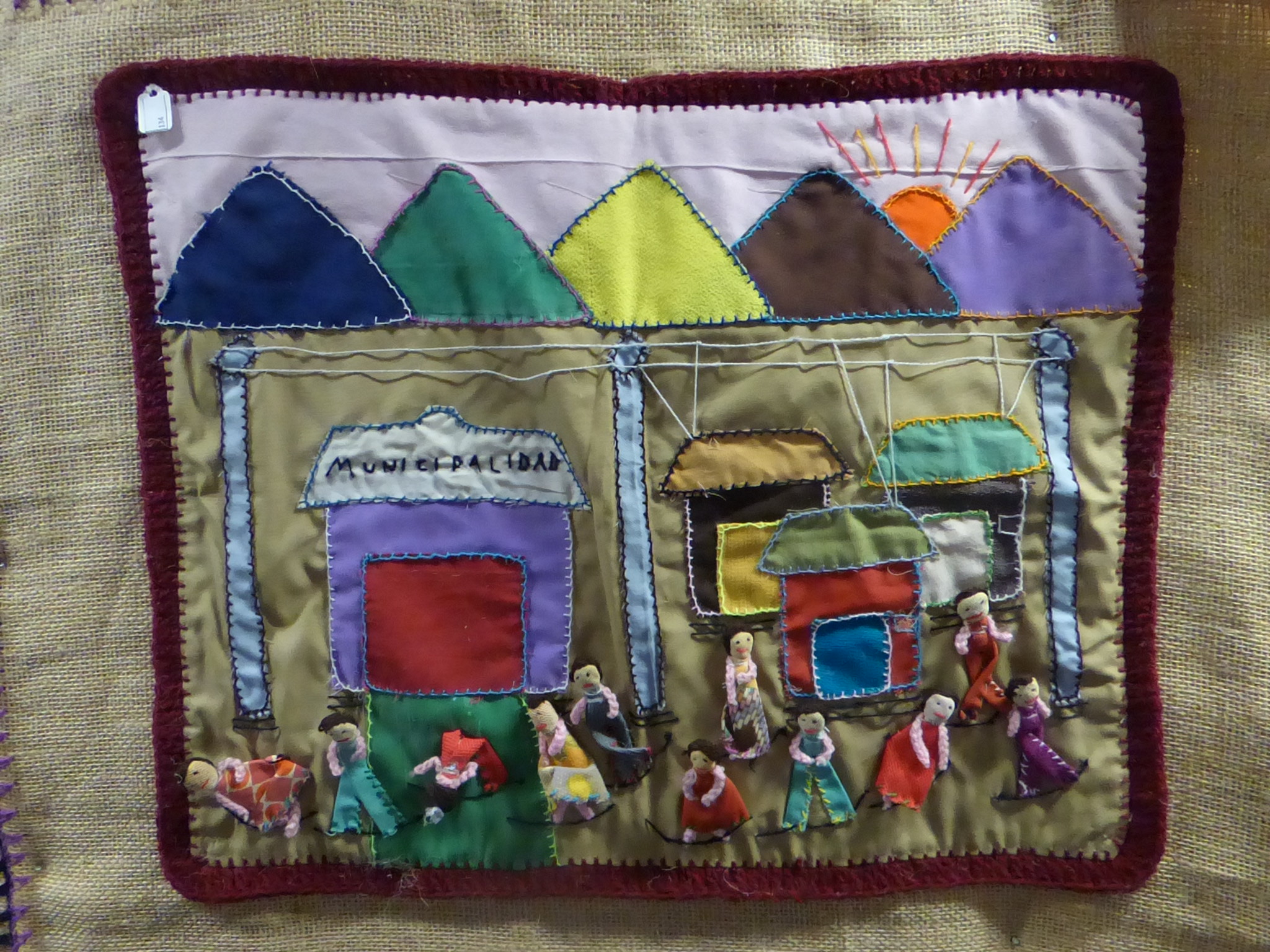
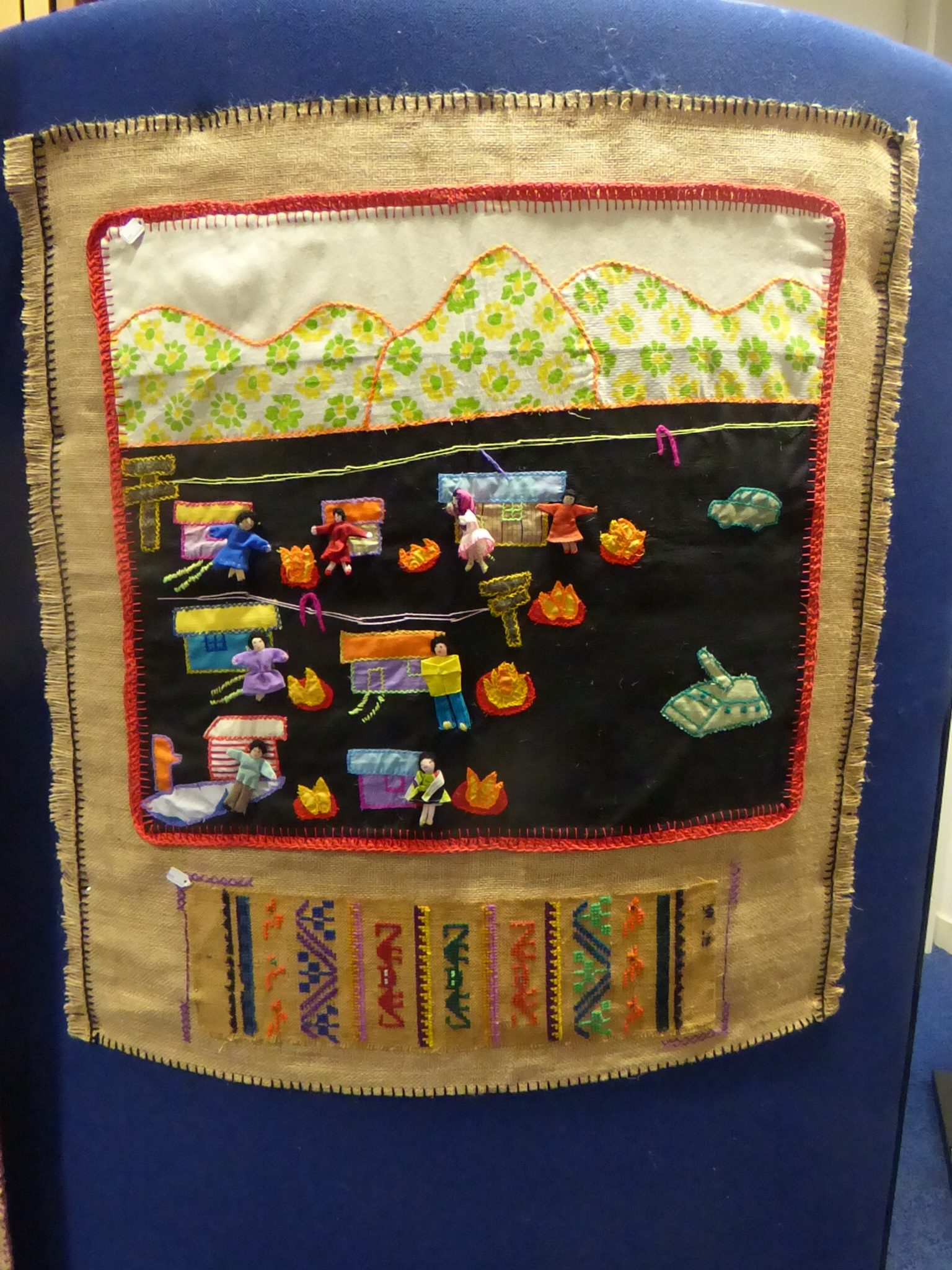
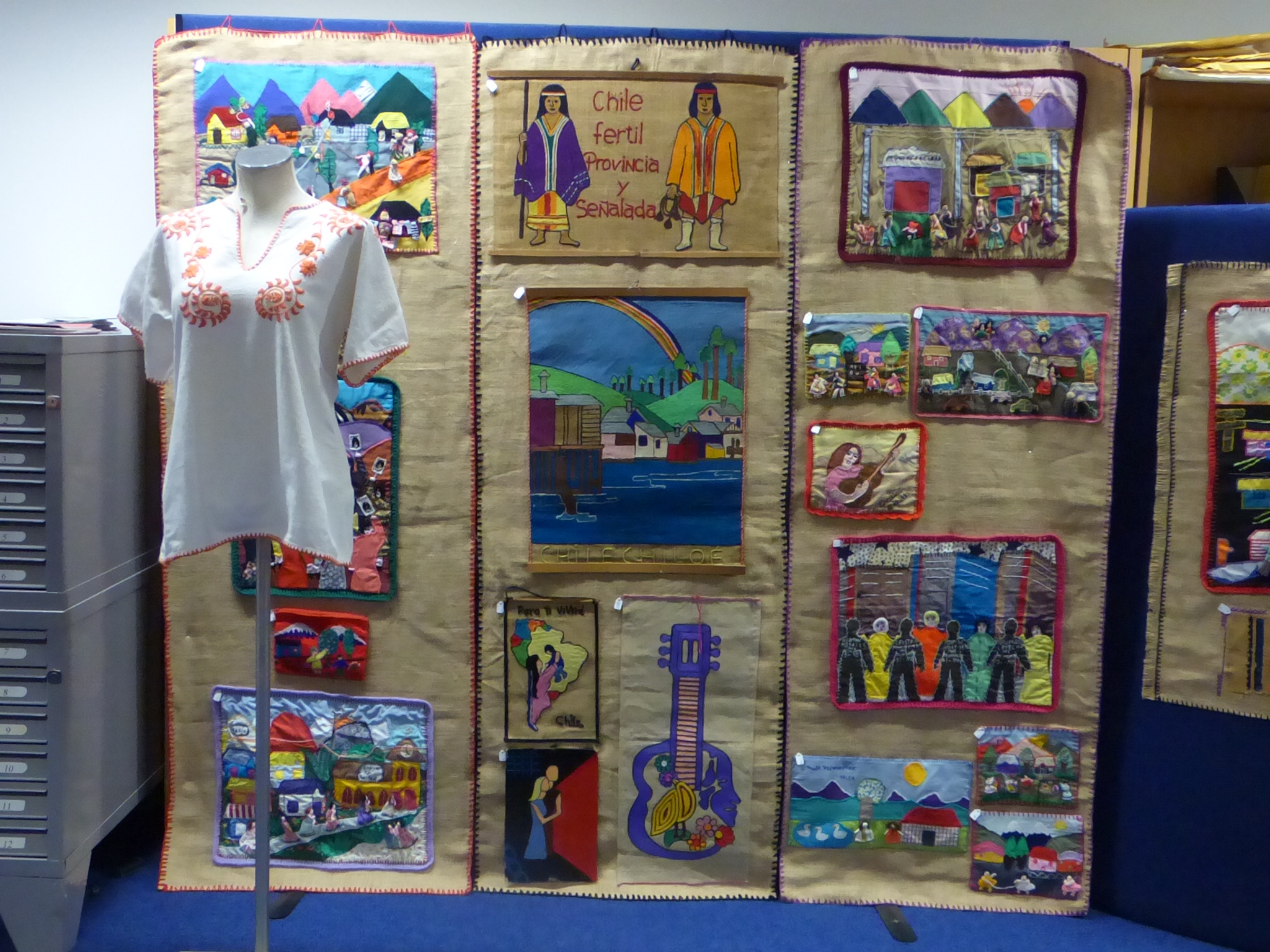
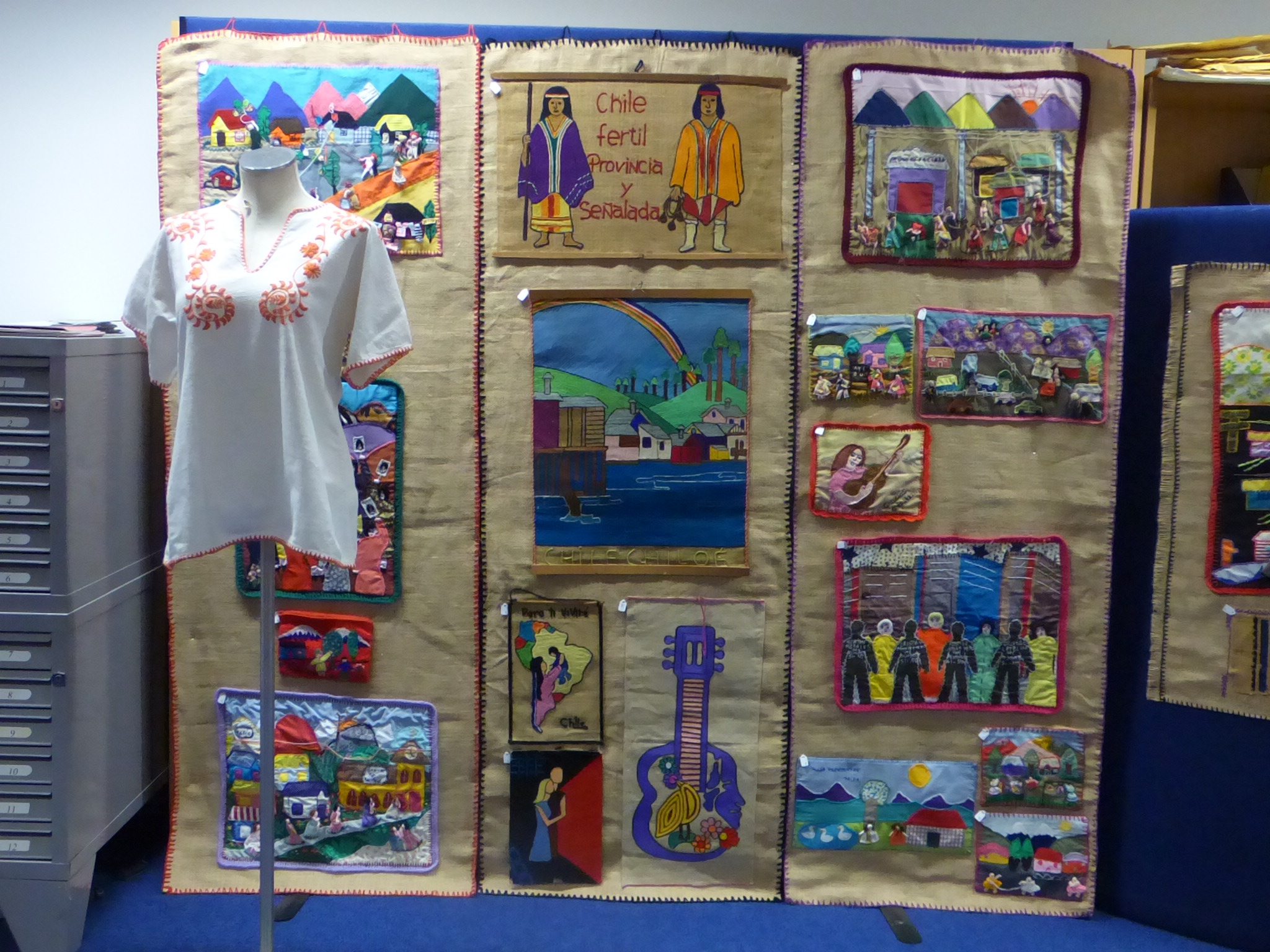
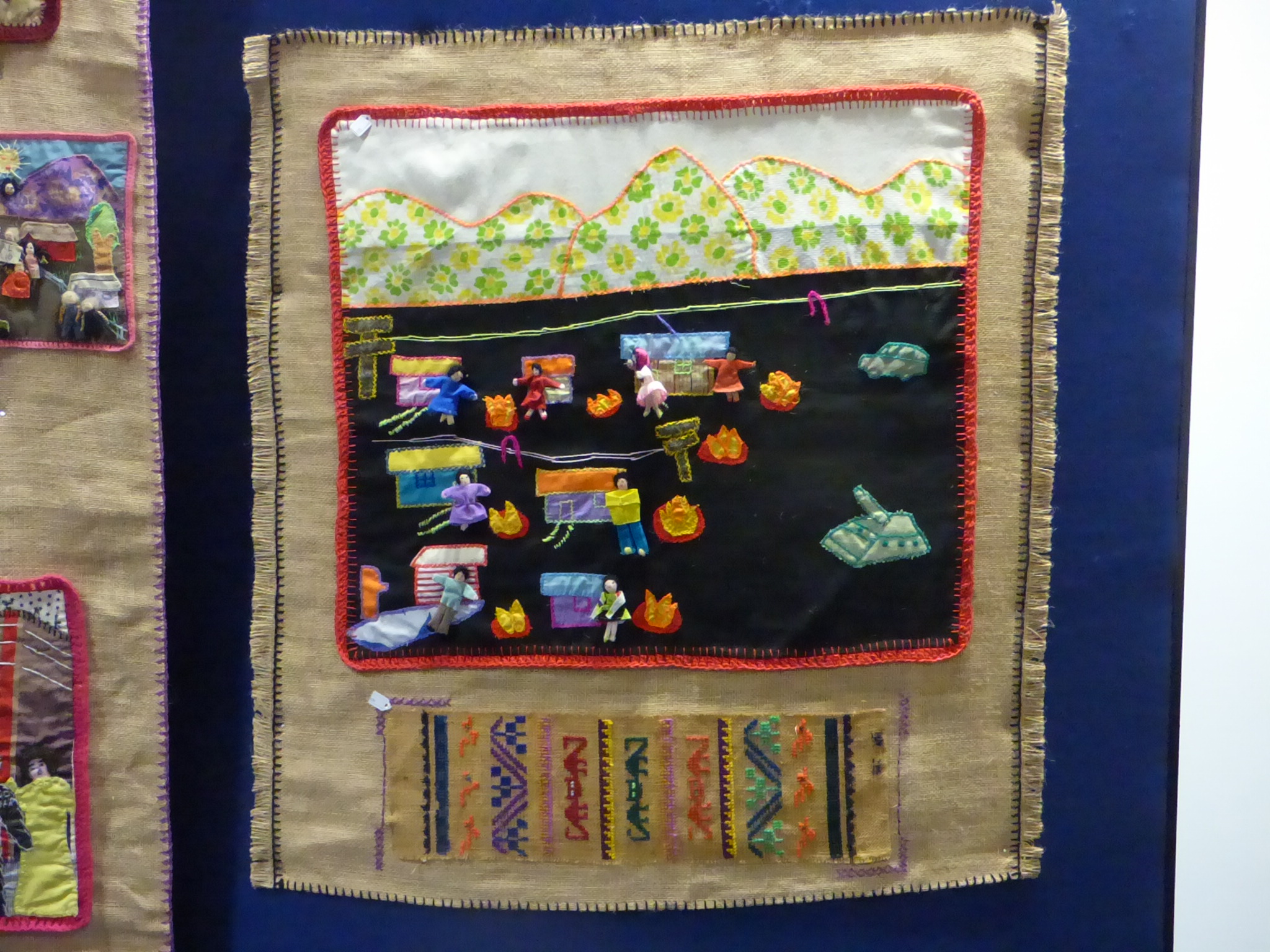
Crafting Resistance Exhibition
Further Reading
Alfred, Z. (2009) ‘Sharing oral history with the wider public: Experiences of the Refugee Communities History Project’, Oral History, pp. 179–192.
BenEzer, G. and Zetter, R. (2015) ‘Searching for Directions: Conceptual and Methodological Challenges in Researching Refugee Journeys’, Journal of Refugee Studies, 28(3), pp. 297–318. doi: 10.1093/jrs/feu022.
Capturing real-life stories of a nation’s destruction (2021) Stratford Herald. Available at: https://www.stratford-herald.com/news/capturing-real-life-stories-of-a-nations-destruction-9195059/ (Accessed: 12 April 2021).
Cohen, C. (1983) ‘Building Multicultural and Intergenerational Networks through Oral History’, Frontiers: A Journal of Women Studies, 7(1), pp. 98–102. doi: 10.2307/3345973.
Davis, A. (2017) ‘Belonging and “Unbelonging”: Jewish refugee and survivor women in 1950s Britain’, Women’s History Review, 26(1), pp. 130–146. doi: 10.1080/09612025.2015.1123028.
Dellios, A. (2018) ‘Memory and Family in Australian Refugee Histories’, Immigrants & Minorities, 36(2), pp. 79–86. doi: 10.1080/02619288.2018.1471860.
French, L. (2019) ‘Refugee Narratives; Oral History and Ethnography; Stories and Silence’, The Oral History Review, 46(2), pp. 267–276. doi: 10.1093/ohr/ohz007.
Gabriel, J. (2008) ‘Refugee community oral histories: issues in pedagogy and curriculum development’, Teaching in Higher Education, 13(3), pp. 265–277. doi: 10.1080/13562510802045451.
High, Steven (2010) Telling Stories: A Reflection on Oral History and New Media. Oral History, 38 (1). pp. 101-112. Available at: https://core.ac.uk/download/pdf/211516352.pdf (Accessed: 28 April 2021).
Harper, K. S. (1996) ‘Review of Changing Lives of Refugee Hmong Women; Hmong Means Free: Life in Laos and America’, The Oral History Review, 23(2), pp. 131–135.
Kleist, J. O. (2017) ‘The History of Refugee Protection: Conceptual and Methodological Challenges’, Journal of Refugee Studies, 30(2), pp. 161–169. doi: 10.1093/jrs/fex018.
Kurkowska-Budzan, M. (no date) Oral History, sin.10. John Benjamins Publishing Company. Available at: https://benjamins.com/catalog/sin.10 (Accessed: 28 April 2021).
Marfleet, P. (2007) ‘Refugees and history: why we must address the past’, Refugee Survey Quarterly, 26(3), pp. 136–148. doi: 10.1093/rsq/hdi0248.
Moving Stories: Oral History and Migration Studies on JSTOR (no date). Available at: https://www.jstor.org/stable/40179591?seq=1#metadata_info_tab_contents (Accessed: 28 April 2021).
Nur, M. (2008) ‘Remembering the Palestinian Nakba: Commemoration, Oral History and Narratives of Memory’, Holy Land Studies, 7(2), pp. 123–156. doi: 10.3366/E147494750800019X.
Portelli, A. (2018) ‘Living Voices: The Oral History Interview as Dialogue and Experience’, The Oral History Review, 45(2), pp. 239–248. doi: 10.1093/ohr/ohy030.
‘Powles – Life history and personal narrative theoretical a.pdf’ (no date). Available at: https://www.unhcr.org/4147fe764.pdf (Accessed: 28 April 2021).
Powles, J. (no date) ‘Life history and personal narrative: theoretical and methodological issues relevant to research and evaluation in refugee contexts.’, p. 26.
‘Remote interviewing on Setting the Record Straight/Gwir Gofnod o Gyfnod – Oral History Society’ (no date). Available at: https://www.ohs.org.uk/regions/wales/remote-interviewing-on-setting/ (Accessed: 25 April 2021).
Remote oral history interviewing at the British Library during the Covid-19 pandemic – Sound and vision blog (no date). Available at: https://blogs.bl.uk/sound-and-vision/2021/02/remote-oral-history-during-covid-19.html (Accessed: 18 February 2021).
Sen, U. (2011) ‘Dissident Memories: Exploring Bengali Refugee Narratives in the Andaman Islands’, in Panayi, P. and Virdee, P. (eds) Refugees and the End of Empire: Imperial Collapse and Forced Migration in the Twentieth Century. London: Palgrave Macmillan UK, pp. 219–244. doi: 10.1057/9780230305700_10.
Valk, A. et al. (2011) ‘Engaging Communities and Classrooms: Lessons from the Fox Point Oral History Project’, Oral History Review, 38(1), pp. 136–157. doi: 10.1093/ohr/ohr050.
Valk, Anne et al. (2011) ‘Engaging Communities and Classrooms: Lessons from the Fox Point Oral History Project’, Oral History Review, 38(1), pp. 136–157.
‘Valk et al. – 2011 – Engaging Communities and Classrooms Lessons from .pdf’ (no date). Available at: https://www.jstor.org/stable/pdf/41440855.pdf?refreqid=excelsior%3A9a98ed1309c2b7769276c07a99d89334 (Accessed: 28 April 2021).
Walke, A. (2013) ‘Memories of an Unfulfilled Promise: Internationalism and Patriotism in Post-Soviet Oral Histories of Jewish Survivors of the Nazi Genocide’, The Oral History Review, 40(2), pp. 271–298. doi: 10.1093/ohr/oht081.